Dharisanam ENதமிழ்
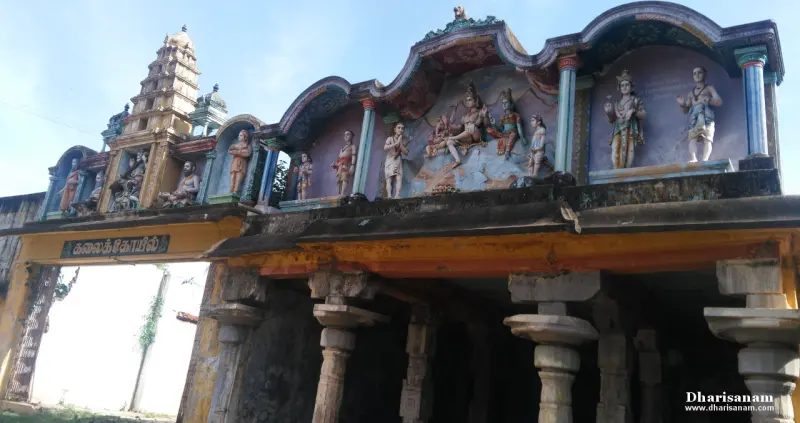
Painted stucco figures above a pillared gateway, with a tower rising at the left
Moovar sthalamSwayambu

Thirupugalur Vardhamanecharam Sri Vardhamaneswarar Temple 76th of 129 on the south bank of the Kaveri · Chola Nadu · Temples near Mayiladuthurai

Darshan today6:30 am – 12:30 pm, 4:00 pm – 9:00 pm
Moolavar
Vardhamaneswarar, Nikazhkaala Nathar
Ambal
Manonmani Ammai
Theertham
Agni Theertham, Bana Theertham
Sthala vriksham
Punnagam (Punnai) Tree
Pathigam by
Thirugnanasambanthar-1

Temple

Visited on: 12th June, 2018.

Location

Thiru Pukalur is situated at a distance of about 7 kms west of Sannanallur junction on the Thiruvarur to Peralam route.

It is about 33 kms away from Mayiladuthurai, 20 kms away from Karaikkal, 20 kms away from Thiruvarur and 10 kms away from Nannilam.

Other Devara Paadal Petra Shiva Sthalams near this place are –

Thiru Pukalur, Thirumarugal, Nannilam, Thiru Kondeecharam, Thiru Panaiyur, Ramanadeecharam, Thiru Payatrur and Thiru Chenkattangudi.

General Information

Moolavar
Sri Vardhamaneswarar, Sri Nikazhkaala Nathar
Ambal
Sri Manonmani Ammai
Theertham (Holy water)
Agni Theertham, Bana Theertham
Sthala Vriksham (Sacred Tree)
Punnagam (Punnai) Tree
Pathigam (Hymn) rendered by
Saint Thirugnanasambanthar-1
  • This is one of the 276 Devara Paadal Petra Shiva Sthalams and 76th Shiva Sthalam on the Southern bank of the river Cauveri in Chozha Nadu (Thenkarai).
  • Lord Shiva in this temple is a Swayambumurthi (self-manifested).
  • Saint Thirunavukkarasar (Appar) attained salvation (“Mukthi”) and sang his last pathigam here.
  • This is one of the 44 Paadal petra sthalams where the “Moovar” (the three saints - Saint Thirugnanasambanthar, Saint Thirunavukarasar (Appar) and Saint Sundaramurthy (Sundarar) had rendered their Pathigams).
  • This is the birthplace of Saint Muruga Nayanar, one of the 63 Nayanmars.
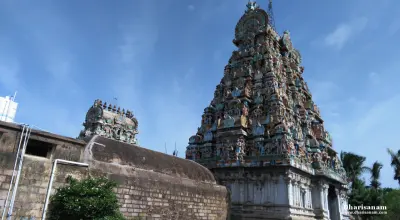
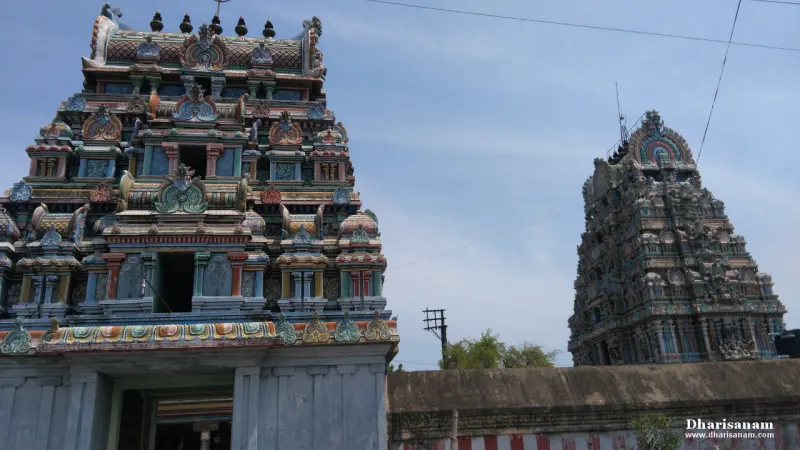
  • This temple has two corridors and its main tower (Rajagopuram) has 5-tiers.
  • Visiting this temple is considered auspicious for those born under the influence of “Sadhayam” nakshatram (star).
  • The last consecration ceremony (Maha Kumbabishekam) took place on 27.03.2003.

History of the Temple

It is interesting to note that this temple (Thiru Pukalur Vardhamanecharam) is situated inside Thiru Pukalur temple’s complex. Thiru Pukalur itself is another Devara Paadal Petra Sthalam where the main deity is Lord Agneeswarar.

This temple’s main deity is Sri Vardhamaneswarar’s and the lord’s shrine is located adjacent to the sanctum of Lord Agneeswarar.

The historical names of this place are Punnagavanam, Saranyapuram and Rakthaaranyam.

The Moovars (three saints) have rendered a total of 9 pathigams here. Out of this, 8 are about Thiru Pukalur and the remaining one is about this temple. The pathigam about this temple was rendered by Saint Thirugnanasambanthar.

It is believed that when the demons were terrorising the devas and the sages, they sought asylum in this place. Hence, this place gets the name “Pukalur” (“pukal” means asylum and “oor” means village in Tamil).

This temple is under the administrative control of (Thiruppugalur) Velakurichi Adheenam and HR&CE.
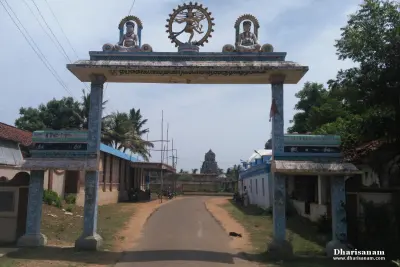
A road passing under an arch topped with a dancing Nataraja figure, a tower in the distance
A tall tiered gopuram with painted figures, and a smaller tower beside a stone wall
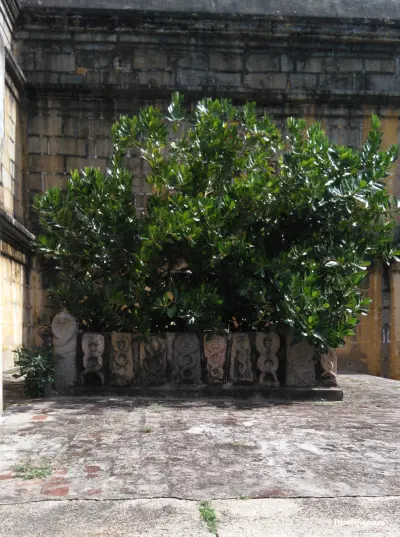
Carved stone serpent figures set in a row below a leafy tree, against a stone wall

Legend

This is the birthplace of Muruga Nayanar, one of the 63 Nayanmars. He served in this temple by offering flowers thrice every day. In his hymn, Saint Thirugnanasambanthar praises Muruga Nayanar’s service to the lord. It is believed that Muruga Nayanar attained salvation at Nallur Perumanam (Aachalpuram) during Saint Thirugnanasambanthar’s wedding.

It is believed that Lord Agni, Sage Bharadwaj, king Nalan, all the 18 Siddhars, Saints Thirugnanasambanthar, Appar and Sundarar have worshiped Lord Shiva here.

Deities in the temple

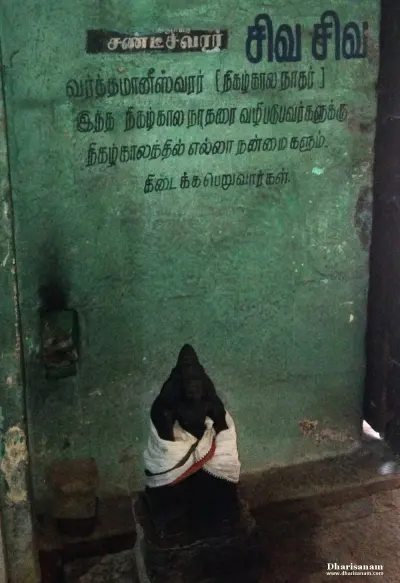
Other than the shrines of Lord Shiva and Goddess Parvathy, shrines and idols of Bala Ganapathy, Dandapani, Chandrasekarar and Chandikeswarar can be seen in the hall.

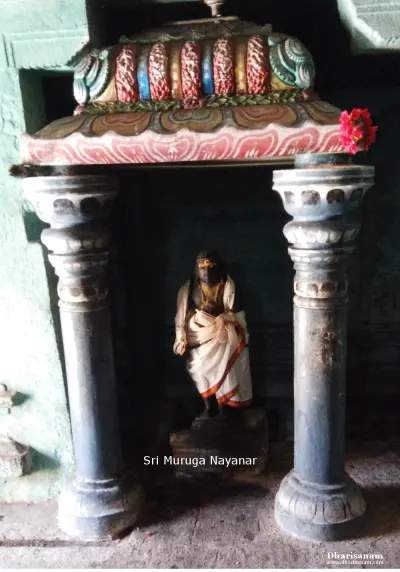
Muruga Nayanar’s shrine is just opposite to the sanctum.
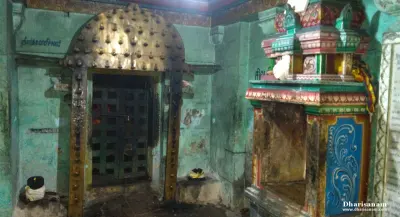
A studded wooden door in a green-walled passage, with a painted shrine front on the right
A small standing figure in white cloth with a flower garland, framed by two pillars
A small dark figure in white cloth below a green wall painted with Tamil lines

Salient Features

There are three Shivalingams here - Lord Bhoodeshwarar, Lord Vardamaneeswarar and Lord Bhavishyeswarar. These three lingams are believed to symbolise the past, present and the future. Lord Vardamaneswarar is also known as “Nikazhkaala Nathar” in Tamil (“Nikazhkaalam” means present times).

This temple’s holy tank (Agni Theertham) adorns the temple like a garland (“Akazhi” in Tamil).

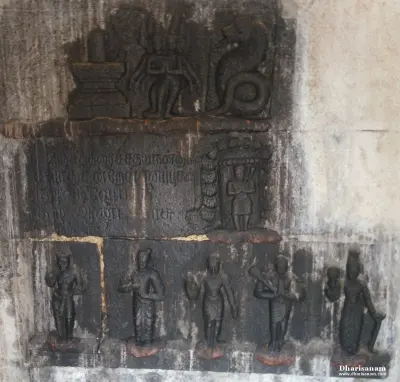
There are three beautiful reliefs on a wall in the corridor that depict the following scenes - Lord Agni worshiping Lord Shiva, Saint Appar’s last worship of the lord, and some kings and queens worshiping the lord.

Stone reliefs on a wall: a lingam scene above, a worn inscription, and five standing figures below

Greatness of this temple

Devotees believe that by worshiping Lord Nikazhkaala Nathar here, they will be blessed with wealth, health, wisdom, prosperity and happiness.

Devotees also believe that by worshiping the lord here, they will be absolved from the sins that their forefathers or ancestors had accrued (“Pithru dosha”).

Important Festivals

Some of the important festivals celebrated in this temple are –

Muruga Nayanar Guru Puja in the Tamil month of Vaikasi (May-June),

Aani Thirumanjanam in the Tamil month of Aani (June-July),

Aadi Pooram in the Tamil month of Aadi (July-Aug),

Vinayakar Chaturthi in the Tamil month of Aavani (Aug-Sept),

Navarathri in the Tamil month of Purattasi (Sept-Oct),

Annabishekam in the Tamil month of Aippasi (Oct–Nov),

Somavaram in the Tamil month of Karthikai (Nov-Dec),

Makara Sankranthi in the Tamil month of Thai (Jan-Feb), and

Shivrathri in the Tamil month of Masi (Feb-Mar).

Temple Timings

From 06:30 AM to 12:30 PM and from 04:00 PM to 09:00 PM.

Temple Address

Sri Vardhamaneswarar Temple,
Thirupugalur Vardhamanecharam,
Thiru Kannapuram Via,
Thirumarugal Taluk,
Nagapattinam District,
Tamil Nadu – 609704.
Tele: +91 – 94431 13025, 04366 – 237198.

This temple’s priest Sri Ramanatha Gurukkal can be contacted at +91 - 94878 64858.

*
Open the map →
NavigateGet directions in Google Maps
Today6:30 am – 12:30 pm, 4:00 pm – 9:00 pm
Phone+91 94431 1302504366 237198
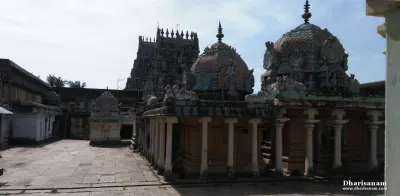
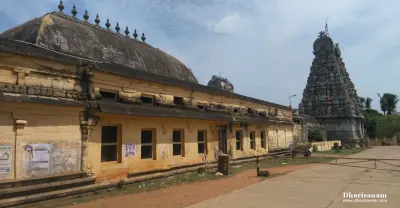
A paved courtyard with a pillared hall and domed shrine roofs, and a tower behind
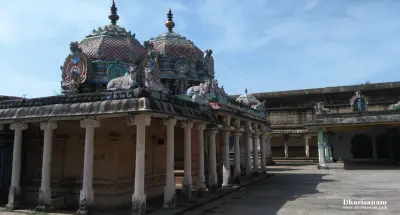
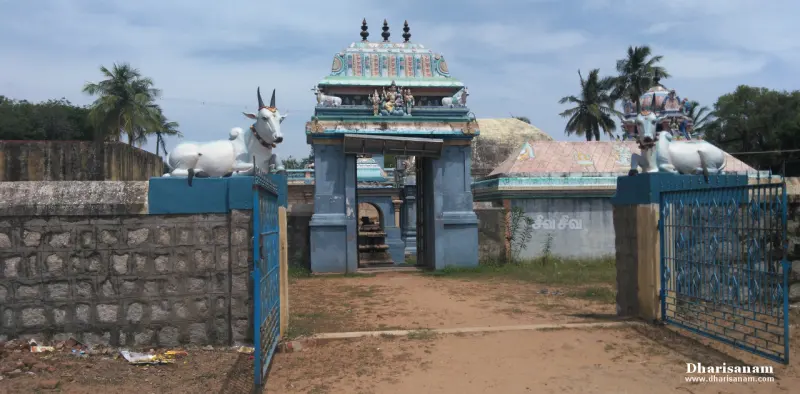
Two domed shrine roofs topped with finials and bull figures, above a pillared hall
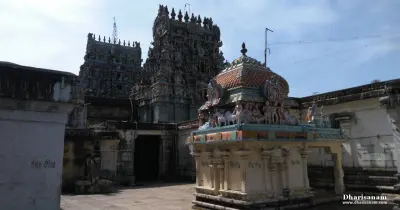
A small shrine with painted figures in a courtyard, two towers rising behind it
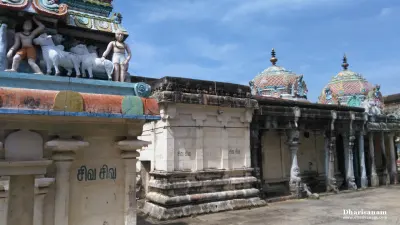
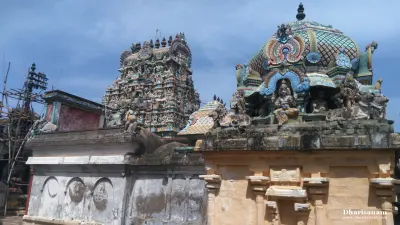
Colourful domed shrine roofs with sculpted figures, and a tower beyond, under a blue sky
A domed shrine roof with figures beside a wall, and a tall tower behind
A long yellow-walled hall with a curved roof, and a dark tower on the right

Highlights

What makes this temple special

* Cards drawn from the temple write-up and photographs. “Read more” takes you to the full passage.

Greatness

Three lingams for past, present and future

The temple holds three Shivalingams, believed to symbolise the past, present and the future.

  1. Three ShivalingamsLord Bhoodeshwarar, Lord Vardamaneeswarar and Lord Bhavishyeswarar are believed to symbolise the past, present and the future.
  2. A tank like a garlandThe holy tank, Agni Theertham, adorns the temple like a garland.
  3. Reliefs in the corridorThree beautiful reliefs on a corridor wall show Lord Agni worshiping Lord Shiva, Saint Appar's last worship, and kings and queens worshiping the lord.
Significance

A Devara Paadal Petra Sthalam

Saint Thirugnanasambanthar sang a pathigam on this temple, and the Moovars sang 9 pathigams at Thiru Pukalur.

  1. Appar's last pathigamSaint Thirunavukarasar (Appar) attained salvation and sang his last pathigam here.
  2. Sung by the MoovarThis is one of the 44 Paadal petra sthalams where the Moovar rendered their Pathigams.
  3. Birthplace of a NayanarThis is the birthplace of Saint Muruga Nayanar, one of the 63 Nayanmars.
  4. Southern bank of the CauveriIt is the 76th Shiva Sthalam on the Southern bank of the river Cauveri in Chozha Nadu.
Why devotees come

Why devotees come here

Devotees believe worship here brings blessings and relief from ancestral sins.

  1. For wealth, health and wisdomBy worshiping Lord Nikazhkaala Nathar here, devotees believe they will be blessed with wealth, health, wisdom, prosperity and happiness.
  2. For ancestral sinsDevotees believe they are absolved from the sins their forefathers or ancestors had accrued (Pithru dosha).
  3. For those born under SadhayamVisiting this temple is considered auspicious for those born under the influence of Sadhayam nakshatram.
A gopuram covered in colourful figures against the sky
276Devara Paadal Petra Shiva Sthalams

Among the Devara sthalams

What the names mean

  1. புகல்asylum
  2. ஊர்village
  3. நிகழ்காலம்present times

Pukalur takes its name from the word for asylum, and the Lord is called Nikazhkaala Nathar.

Punnagavanam, Saranyapuram and Rakthaaranyam

    Legends of this place

    When demons terrorised the devas and the sages, they sought asylum in this place, which is why it is called Pukalur.

    Muruga Nayanar served in this temple by offering flowers thrice every day, and attained salvation at Nallur Perumanam.

    Lord Agni, Sage Bharadwaj, king Nalan, the Siddhars and the three saints are believed to have worshiped Lord Shiva here.

    Saints of this temple

    1. ThirugnanasambantharHe rendered the pathigam on this temple and praises Muruga Nayanar's service to the lord.
    2. ApparHe attained salvation here and sang his last pathigam.
    3. Muruga NayanarBorn here, he served the temple by offering flowers thrice every day.

    Festivals through the year

      Muruga Nayanar Guru Puja, Aani Thirumanjanam, Annabishekam and Shivrathri are among the festivals celebrated here.

      Deities

      The deities of this temple

      * Drawn from the temple write-up and photographs. Where there is no photograph, the card shows the name.

      From the sanctum to the corridors
      Moolavarவ
      Moolavar

      Sri Vardhamaneswarar

      This temple's main deity is Sri Vardhamaneswarar, and the lord's shrine is located adjacent to the sanctum of Lord Agneeswarar.

      Ambalம
      Ambal

      Sri Manonmani Ammai

      Sri Manonmani Ammai is the Ambal of this temple, and her shrine stands with the shrine of Lord Shiva.

      Shrine in the hallக
      Shrine in the hall

      Bala Ganapathy

      A shrine and idol of Bala Ganapathy can be seen in the hall.

      Shrine in the hallத
      Shrine in the hall

      Dandapani

      A shrine and idol of Dandapani can be seen in the hall.

      Shrine in the hallசந்
      Shrine in the hall

      Chandrasekarar

      A shrine and idol of Chandrasekarar can be seen in the hall.

      A small dark figure in white cloth below a green wall painted with Tamil lines
      Shrine in the hall

      Chandikeswarar

      A shrine and idol of Chandikeswarar can be seen in the hall.

      A small standing figure in white cloth with a flower garland, framed by two pillars
      Shrine opposite the sanctum

      Muruga Nayanar

      Muruga Nayanar's shrine is just opposite to the sanctum.

      Visit & map

      Sacred geography
      Thirupugalur Vardhamanecharam Thiru Pugalur Ramanadeecharam Thirumarugal Thiruppanaiyur Thirukkondeeswaram Nannilathu Perungkoil Thiru Thilathaipathi Thiru Kottaru Thirumiyachur Ilangkovil Thirumiyachur Thirunallaru Palliyin Mukkoodal
      You are hereThis temple

      Schematic. Distances as recorded on the visit; directions approximate.

      12a6a12p6p
      Darshan today6:30 am – 12:30 pm, 4:00 pm – 9:00 pm
      6:30 – 12:304:00 – 9:00 pm

      Hours as recorded on the visit. Festival days can differ.

      Plan the day around it

      Address and phone

      Sri Vardhamaneswarar Temple, Thirupugalur Vardhamanecharam, Thiru Kannapuram Via, Thirumarugal Taluk, Nagapattinam District, Tamil Nadu – 609704. This temple’s priest Sri Ramanatha Gurukkal can be contacted at +91 - 94878 64858.

      +91 94431 13025

      *

      A day of darshan nearby

      5 more sthalams within reach, nearest first: 21.5 km in straight lines.

      Map of Thirupugalur Vardhamanecharam and the sthalams nearby, in route order: Thiru Pugalur, Ramanadeecharam, Thirumarugal, Thirunallaru, Thiru Kottaru. Thiruppanaiyur · 5.5 km Thirumiyachur Ilangkovil · 10.5 km Thirumiyachur · 10.6 km 1 Thiru Pugalur 2 Ramanadeecharam 3 Thirumarugal 4 Thirunallaru 5 Thiru Kottaru 5 km N
      Drawn from coordinates. Straight-line distances; roads are longer. Faint dots are other sthalams within 50 km.

      Temple plan

      Stone reliefs on a wall: a lingam scene above, a worn inscription, and five standing figures below
      01

      Reliefs on the corridor wall

      There are three beautiful reliefs on a wall in the corridor that depict Lord Agni worshiping Lord Shiva, Saint Appar's last worship of the lord, and some kings and queens worshiping the lord.
      1 / 5

      Summary written with AI help from the temple write-up.

      Pathigam

      Saint Thirugnanasambanthar visited this temple and sang this Pathigam.

      Devotees visiting this temple should make it a practice to recite this Pathigam.

      Pathigam No.2.092.

      V. Muthukumaraswamy

      Saint Thirugnanasambandar visited this temple and sang this pathigam. Verse 1 of 11.

      Paṭṭam pālniṟa mathiyam paṭarsaṭaich chuṭarviṭu pāṇi
      naṭṭam naḷḷiruḷ āṭum nāthaṉār naviṉtṟuṟai kōyil
      puṭṭaṉ pēṭaiyo ṭāṭum pūmpuka lūrththoṇṭar pōtṟi
      vaṭṭañ chūzhnthaṭi paravum varththamā ṉīchcharath thārē

      The Lord of Vardhamaneecharam wears a silk garment, with the white moon and the shining Ganga on his spreading matted hair. He dances in the dead of night, and this is the temple where he dwells. Devotees of flowery Pukalur, where birds play with their mates, gather in a circle around his feet and praise him.

      Tap any Tamil word for its meaning

      Verse text and transliteration as given in the write-up. Word meanings and the English meaning are AI-assisted drafts.

      All eleven verses

      1. 01

        பட்டம் பால்நிற மதியம் படர்சடைச் சுடர்விடு பாணிநட்டம் நள்ளிருள் ஆடும் நாதனார் நவின்றுறை கோயில்புட்டன் பேடையொ டாடும் பூம்புக லூர்த்தொண்டர் போற்றிவட்டஞ் சூழ்ந்தடி பரவும் வர்த்தமா னீச்சரத் தாரே

        Paṭṭam pālniṟa mathiyam paṭarsaṭaich chuṭarviṭu pāṇi / naṭṭam naḷḷiruḷ āṭum nāthaṉār naviṉtṟuṟai kōyil / puṭṭaṉ pēṭaiyo ṭāṭum pūmpuka lūrththoṇṭar pōtṟi / vaṭṭañ chūzhnthaṭi paravum varththamā ṉīchcharath thārē

        ஆண் பறவைகள் தன்பிணையோடு கூடி மகிழும் அழகிய புகலூரில் அடியவர்கள் வட்டமாகச் சூழ்ந்து திருவடிகளைப் போற்றிப் பரவும் வர்த்தமானீச்சரத்து இறைவர் திருமேனிமேல் உத்தரீயமும் விரிந்த சடைமேல் வெண்மதி ஒளிதரும் கங்கை ஆகியவற்றையும் கொண்டு நள்ளிருளில் நட்டமாடும் தலைவர் ஆவார். அவர் கோயில் திருப்புகலூர்வர்த்தமானீச்சரம் ஆகும்.

      2. 02

        முயல்வ ளாவிய திங்கள் வாண்முகத் தரிவையில் தெரிவைஇயல்வ ளாவிய துடைய இன்ன முதெந்தையெம் பெருமான்கயல்வ ளாவிய கழனிக் கருநிறக் குவளைகள் மலரும்வயல்வ ளாவிய புகலூர் வர்த்தமா னீச்சரத் தாரே

        Muyalva ḷāviya thiṅkaḷ vāṇmukath tharivaiyil therivai / iyalva ḷāviya thuṭaiya iṉṉa muthenthaiyem perumāṉ / kayalva ḷāviya kazhaṉik karuniṟak kuvaḷaikaḷ malarum / vayalva ḷāviya pukalūr varththamā ṉīchcharath thārē

        கயல்கள் நிறைந்த கழனிகளில் கரிய நிறக் குவளைகள் மலரும் வயல்களை உடைய புகலூர் வர்த்தமானீச்சரத்து இறைவர், முயற்கறை பொருந்திய திங்கள் போன்ற ஒளிபொருந்திய முகத்தினை உடைய மங்கையரில் மேம்பட்ட தெரிவையாகிய உமையம்மையைப் பாகமாக உடைய இனிய அமுதம் போன்றவர். எமக்குத் தந்தையாகவும் தலைவராகவும் விளங்குபவர்.

      3. 03

        தொண்டர் தண்கயம் மூழ்கித் துணையலுஞ் சாந்தமும் புகையும்கொண்டு கொண்டடி பரவிக் குறிப்பறி முருகன்செய் கோலம்கண்டு கண்டுகண் குளிரக் களிபரந் தொளிமல்கு கள்ளார்வண்டு பண்செயும் புகலூர் வர்த்தமா னீச்சரத் தாரே

        Thoṇṭar thaṇkayam mūzhkith thuṇaiyaluñ chānthamum pukaiyum / koṇṭu koṇṭaṭi paravik kuṟippaṟi murugaṉsey kōlam / kaṇṭu kaṇṭukaṇ kuḷirak kaḷiparan thoḷimalku kaḷḷār / vaṇṭu paṇseyum pukalūr varththamā ṉīchcharath thārē

        தொண்டர்கள் குளிர்ந்த நீர் நிலைகளில் மூழ்கி மலர் மாலை சாந்து, மணப்புகை கொண்டு திருவடிப்பரவி வழிபடக் கண்டு அவர்தம் குறிப்பறிந்து அவர்கட்கு உதவும் முருகநாயனார் தாமும் அவ்வாறே இறைவனை அலங்கரித்துக் கண்குளிரக் கண்டு மகிழுமாறு வண்டுகள் கள்ளுண்டு பண்செய்யும் ஒலிபோல ஒலிக்கும். வர்த்த மானீச்சரத்துள் சிவபெருமான் உகந்தருளியுள்ளார்.

      4. 04

        பண்ண வண்ணத்த ராகிப் பாடலொ டாட லறாதவிண்ண வண்ணத்த ராய விரிபுக லூரரொர் பாகம்பெண்ண வண்ணத்த ராகும் பெற்றியொ டாணிணை பிணைந்தவண்ண வண்ணத்தெம் பெருமான் வர்த்தமா னீச்சரத் தாரே

        Paṇṇa vaṇṇaththa rākip pāṭalo ṭāṭa laṟātha / viṇṇa vaṇṇaththa rāya viripuka lūraror pākam / peṇṇa vaṇṇaththa rākum petṟiyo ṭāṇiṇai piṇaintha / vaṇṇa vaṇṇaththem perumāṉ varththamā ṉīchcharath thārē

        விரிந்த பரப்புடைய புகலூர் வர்த்தமானீச்சரத்து இறைவர், பாடல் ஆடல்களில் பயிலும் பண்ணிசை மயமானவரும், ஆகாய வடிவினராய் விளங்குபவரும், பெண்ணொர் பாகமான வடிவினரும், ஆணொடு இணைந்த அரி அர்த்த வடிவினரு மானவர்.

      5. 05

        ஈசன் ஏறமர் கடவுள் இன்னமு தெந்தையெம் பெருமான்பூசு மாசில்வெண் ணீற்றர் பொலிவுடைப் பூம்புக லூரில்மூசு வண்டறை கொன்றை முருகன்முப் போதுஞ்செய் முடிமேல்வாச மாமல ருடையார் வர்த்தமா னீச்சரத் தாரே

        Īsaṉ ēṟamar kaṭavuḷ iṉṉamu thenthaiyem perumāṉ / pūsu māsilveṇ ṇītṟar polivuṭaip pūmpuka lūril / mūsu vaṇṭaṟai koṉtṟai murugaṉmup pōthuñchey muṭimēl / vāsa māmala ruṭaiyār varththamā ṉīchcharath thārē

        அழகிய புகலூரில் முருகநாயனார் வண்டுகள் மொய்க்கும் கொன்றை மலர் கொண்டு மூன்று பொழுதிலும் வழிபட அம் மண மலர்களோடு விளங்கும் வர்த்தமானீச்சரத்து இறைவர் எல்லோர்க்கும் தலைவர். விடையேறு உடையவர். இனிய அமுதம் போன்றவர். எந்தை, எம்பெருமான் குற்றம் அற்ற வெண்ணீறு பூசியவர்.

      6. 06

        தளிரி ளங்கொடி வளரத் தண்கயம் இரிய வண்டேறிக்கிளரி ளம்முழை நுழையக் கிழிதரு பொழிற்புக லூரில்உளரி ளஞ்சுனை மலரும் ஒளிதரு சடைமுடியதன்மேல்வளரி ளம்பிறை யுடையார் வர்த்தமா னீச்சரத் தாரே

        Thaḷiri ḷaṅkoṭi vaḷarath thaṇkayam iriya vaṇṭēṟik / kiḷari ḷam'muzhai nuzhaiyak kizhitharu pozhiṟpuka lūril / uḷari ḷañchuṉai malarum oḷitharu saṭaimuṭiyathaṉmēl / vaḷari ḷampiṟai yuṭaiyār varththamā ṉīchcharath thārē

        குளிர்ந்த நீர் நிலைகளை அடுத்து வளரும் இளங்கொடிகளின் தளிர்கள் கிழியுமாறு வண்டுகள் சரேலென எழுந்து முழைகள்தோறும் செல்லும் பொழில்கள் சூழ்ந்த புகலூரில் வாழ்பவர் சுனை நீரில் பூத்த மலர்கள் விளங்கும் சடைமுடியில் பிறை சூடியவராகிய வர்த்தமானீச்சரத்து இறைவர்.

      7. 07

        தென்சொல் விஞ்சமர் வடசொல் திசைமொழி யெழில்நரம்பெடுத்துத்துஞ்சு நெஞ்சிருள் நீங்கத் தொழுதெழு தொல்புக லூரில்அஞ்ச னம்பிதிர்ந் தனைய அலைகடல் கடைய அன் றெழுந்தவஞ்ச நஞ்சணி கண்டர் வர்த்தமா னீச்சரத் தாரே

        Theṉsol viñchamar vaṭasol thisaimozhi yezhilnarampeṭuththuth / thuñchu neñchiruḷ nīṅkath thozhuthezhu tholpuka lūril / añcha ṉampithirn thaṉaiya alaikaṭal kaṭaiya aṉ tṟezhuntha / vañcha nañchaṇi kaṇṭar varththamā ṉīchcharath thārē

        அடியவர் தமிழிலும் வடமொழியிலும் திசை மொழிகளிலும் அழகிய யாழ் நரம்பை மீட்டித் தங்கள் மனத்திருள் நீங்கப்பாடித் தொழும் புகலூரில், அன்று அலைகடலைக் கடந்த போது, மை பிதிர்ந்தாற்போல எழுந்த வஞ்ச நஞ்சினை உண்ட அழகிய கண்டத்தினராய் விளங்குபவர் வர்த்தமானீச்சரத்து இறைவர்.

      8. 08

        சாம வேதமொர் கீதம் ஓதிஅத் தசமுகன் பரவும்நாம தேயம துடையார் நன்குணர்ந் தடிகளென் றேத்தக்காம தேவனை வேவக் கனலெரி கொளுவிய கண்ணார்வாம தேவர்தண் புகலூர் வர்த்தமா னீச்சரத் தாரே

        Sāma vēthamor kītham ōthi'ath thasamukaṉ paravum / nāma thēyama thuṭaiyār naṉkuṇarn thaṭikaḷeṉ tṟēththak / kāma thēvaṉai vēvak kaṉaleri koḷuviya kaṇṇār / vāma thēvarthaṇ pukalūr varththamā ṉīchcharath thārē

        தண்மையான புகலூரில் விளங்கும் வர்த்தமானீச்சரத்து இறைவர். இராவணன் சாம வேதம் பாடிப் பரவும் பெயரையும் ஊரையும் உடையவர். நன்குணர்ந்து அடிகள் என்றேத்தும் பெயர்களை உடையவர். காமதேவனை எரித்த கண்ணையுடையவர்.

      9. 09

        சீர ணங்குற நின்ற செருவுறு திசைமுக னோடுநார ணன்கருத் தழிய நகைசெய்த சடைமுடி நம்பர்ஆர ணங்குறும் உமையை அஞ்சுவித் தருளுதல் பொருட்டால்வார ணத்துரி போர்த்தார் வர்த்தமா னீச்சரத் தாரே

        Sīra ṇaṅkuṟa niṉtṟa seruvuṟu thisaimuka ṉōṭu / nāra ṇaṉkaruth thazhiya nakaiseytha saṭaimuṭi nampar / āra ṇaṅkuṟum umaiyai añchuvith tharuḷuthal poruṭṭāl / vāra ṇaththuri pōrththār varththamā ṉīchcharath thārē

        வர்த்தமானீச்சரத்து இறைவர், சிறந்த தெய்வத் தன்மை உடையவர்களாய் யார் தலைவர் என்பதில் மாறுபட்டவர்களாய்த் தம்முட் செருச்செய்த திருமால் பிரமர்களின் கருத்தழியுமாறு அவர்களிடையே தோன்றி நகை செய்தவர். உமையம்மையை அஞ்சுவிக்கும்பொருட்டு அவள் எதிரே யானையை உரித்தவர்.

      10. 10

        கையி லுண்டுழல் வாருங் கமழ்துவ ராடையி னால்தம்மெய்யைப் போர்த்துழல் வாரும் உரைப்பனமெய்யென விரும்பேல்செய்யில் வாளைகளோடு செங்கயல் குதிகொளும் புகலூர்மைகொள் கண்டத்தெம் பெருமான் வர்த்தமா னீச்சரத் தாரே

        Kaiyi luṇṭuzhal vāruṅ kamazhthuva rāṭaiyi ṉāltham / meyyaip pōrththuzhal vārum uraippaṉameyyeṉa virumpēl / seyyil vāḷaikaḷōṭu seṅkayal kuthikoḷum pukalūr / maikoḷ kaṇṭaththem perumāṉ varththamā ṉīchcharath thārē

        வாளைமீன்களோடு கயல்கள் குதித்து விளையாடும் வயல்களைக் கொண்ட புகலூல் நீல கண்டராய் விளங்கும் வர்த்தமானீச்சரத்து இறைவர் புகழே மெய்ம்மமையானவை. கையில் உணவு ஏற்று உண்ணும் சமணரும் துவராடை போர்த்த புத்தரும் கூறும் உரைகளை மெய்யெனக் கருதேல்.

      11. 11

        பொங்கு தண்புனல் சூழ்ந்து போதணி பொழிற்புக லூரில்மங்குல் மாமதி தவழும் வர்த்தமா னீச்சரத் தாரைத்தங்கு சீர்திகழ் ஞானச ம்பந்தன் தண்டமிழ் பத்தும்எங்கும் ஏத்தவல் லார்கள் எய்துவர் இமையவ ருலகே

        In the last verse, Gnanasambandan says that those who sing these Tamil verses everywhere will reach the world of the celestials.

        Poṅku thaṇpuṉal chūzhnthu pōthaṇi pozhiṟpuka lūril / maṅkul māmathi thavazhum varththamā ṉīchcharath thāraith / thaṅku sīrthikazh gñāṉasa mbanthaṉ thaṇṭamizh paththum / eṅkum ēththaval lārkaḷ eythuvar imaiyava rulakē

        மிகுதியான தண்ணிய நீராலும், மலர்பூத்த பொழில்களாலும் சூழப்பெற்று விளங்கும் புகலூரில் வானளாவிய வர்த்தமானீச்சரத் திருக்கோயிலில் விளங்கும் இறைவரைப் புகழ்மிக்க ஞானசம்பந்தன் போற்றிப் பாடிய பாடல்கள் பத்தையும் எவ்விடத்தும் பாடி ஏத்துவார் இமையவர் உலகம் எய்துவர்.

      Photos

      Photographs

      14 photographs, in the order they appear in the write-up. Captions are AI-assisted.

      Painted stucco figures above a pillared gateway, with a tower rising at the left
      A road passing under an arch topped with a dancing Nataraja figure, a tower in the distance
      A tall tiered gopuram with painted figures, and a smaller tower beside a stone wall
      Carved stone serpent figures set in a row below a leafy tree, against a stone wall
      A studded wooden door in a green-walled passage, with a painted shrine front on the right
      A small standing figure in white cloth with a flower garland, framed by two pillars
      A small dark figure in white cloth below a green wall painted with Tamil lines
      Stone reliefs on a wall: a lingam scene above, a worn inscription, and five standing figures below
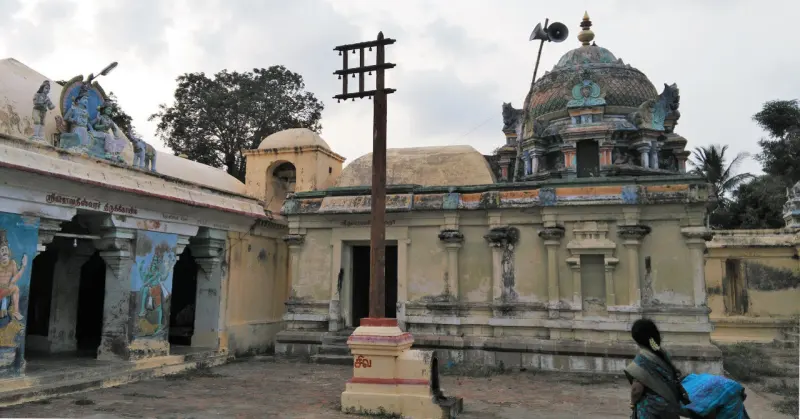
      A paved courtyard with a pillared hall and domed shrine roofs, and a tower behind
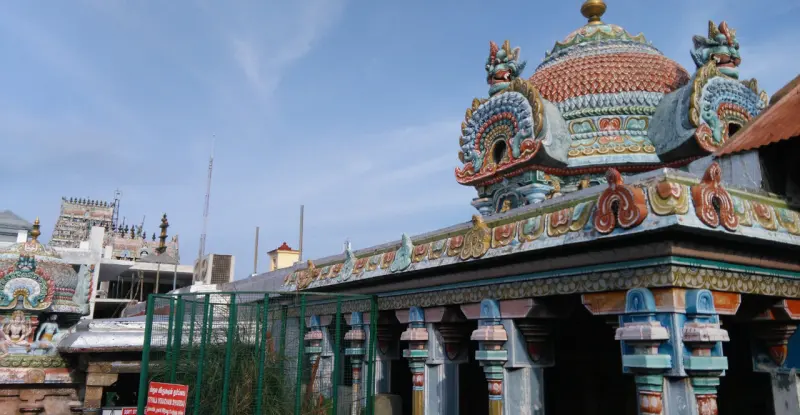
      Two domed shrine roofs topped with finials and bull figures, above a pillared hall
      A small shrine with painted figures in a courtyard, two towers rising behind it
      Colourful domed shrine roofs with sculpted figures, and a tower beyond, under a blue sky
      A domed shrine roof with figures beside a wall, and a tall tower behind
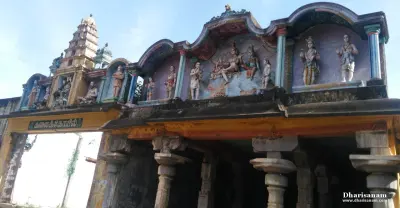
      A long yellow-walled hall with a curved roof, and a dark tower on the right