Dharisanam ENதமிழ்
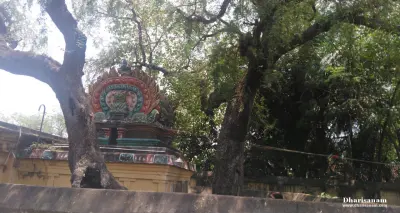
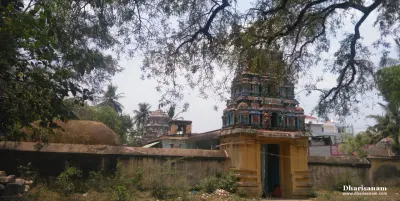
A three-tiered tower of painted sculptures over a yellow gateway, with the compound wall alongside.
Swayambu

Thiru Penu Perunthurai Sri Sivanandeswarar Temple 64th of 129 on the south bank of the Kaveri · Chola Nadu · Temples near Kumbakonam

Darshan today8:00 am – 11:00 am, 5:00 pm – 7:00 pm
Moolavar
Pranaveswarar, Sivanantheswarar
Ambal
Mangalambigai, Malai Arasi Ammai
Theertham
Mangala Theertham
Sthala vriksham
Vanni tree
Pathigam by
Thirugnanasambanthar

Temple

Visited on: 31st March, 2018.

Location

Thiru Penu Perunthurai (Thirupandurai) is situated at a distance of about 11 kms from Kumbakonam on the Kumbakonam to Karaikkal (Via Nachiyar Koil – Eravancheri) route. It is about 2 kms away from Nachiyar koil.

Other Devara Paadal Petra Shiva Sthalam near this place are –

Kalayanallur, Karukkudi, Sivapuram, Kudavasal, Naraiyur Siddheecharam, Thirucherai, Arisirkarai Puthur, Thalaiyalangaadu, Peruvelur, Karaveeram, Nalur Mayanam, Kaduvaikarai Puthur (Andankoil) and Thiru Kollamputhur.

General Information

Moolavar
Sri Pranaveswarar, Sri Sivanantheswarar
Ambal
Sri Mangalambigai, Sri Malai Arasi Ammai
Theertham (Holy water)
Mangala Theertham
Sthala Vriksham (Sacred Tree)
Vanni tree
Pathigam (Hymn) rendered by
Saint Thirugnanasambanthar
  • This is one of the 276 Devara Paadal Petra Shiva Sthalams and 64th Shiva Sthalam on the Southern bank of the river Cauveri in Chozha Nadu (Thenkarai).
  • Lord Shiva in this temple is a Swayambumurthi (self-manifested).
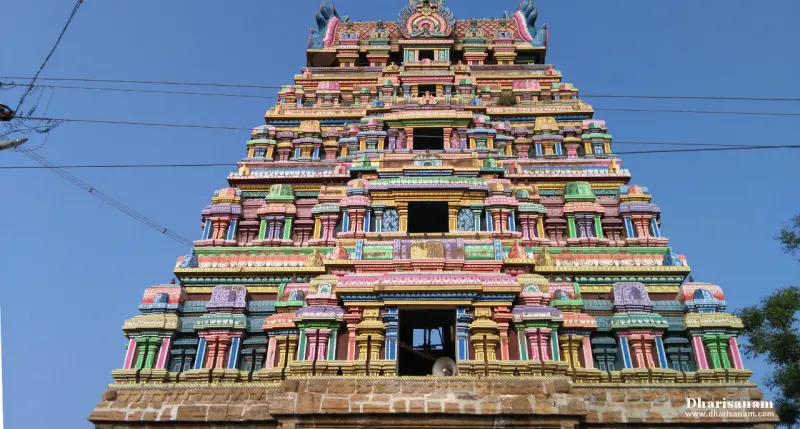
  • This east facing temple has a single corridor and its main tower (Rajagopuram) has 3-tiers.

History of the Temple

This ancient temple is located on the southern banks of the river Arisilaru. Hence this place gets the name Perunthurai (“periya” means big and “thurai” means river bank in Tamil).

The historical name of this place is Penu Perunthurai but now it is known as Thiruppanthurai. There are five stone inscriptions in this temple which date back to the periods of Karikal Cholan, king “Madurai konda” Parakesari, Raja Raja Cholan and King Veera Pandiyan. As per these stone inscriptions, this temple was rebuilt in granite during King Karikal Cholan’s period.

In the stone inscriptions, the lord’s name is referred to as “Sri Penu Perunthurai Mahadevar” and the goddess’s name as “Sri Malai Arasi Ammai”.

This temple is under the administrative control of the Hindu Religious and Charitable Endowments Department of Government of Tamil Nadu (HR&CE).
A three-tiered tower of painted sculptures over a yellow gateway, with the compound wall alongside.
A small shrine roof with a painted arch stands between the trunks of two large trees.

Legend

Once Lord Murugan is believed to have imprisoned Lord Brahma for not being able to explain the meaning of “Pranava Mantra” (Aum / Ohm). For imprisoning her husband, Goddess Saraswathi cursed Lord Murugan that he would become dumb. Lord Shiva intervened in this matter and then got Lord Brahma released. However, Lord Shiva asked Lord Murugan to go to this temple and offer his prayers in order to seek absolution for all the trouble that he had caused by imprisoning Lord Brahma. It is believed that Lord Murugan visited this place and worshiped the lord. Lord Shiva absolved him of his sins and restored his speech. Hence, the lord here is praised as “Sri Pranaveswarar” (“lord of Pranava Mantra”).

It is believed that Goddess Parvathy, Vinayakar, Lord Murugan and Lord Brahma have worshiped the lord here.

Deities in the temple

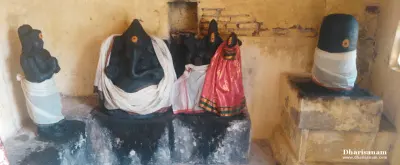
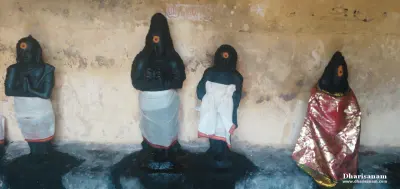
Other than the shrines of Lord Shiva and Goddess Parvathy, shrines and idols of Vinayakar, Murugan, Mahalakshmi, Suryan, Bairavar, Saneeswarar, Chandikeswarar, Dhandapani, Viswanathar with Visalakshi, Thirunavukkarasar, Thirugnanasambanthar, Sundarar, Vinayakar (3), Lakshmi Narayanar, Shivalingam and Navagraham can be seen in the hall and in the corridor. There is also an idol of a Chola king and his wife.

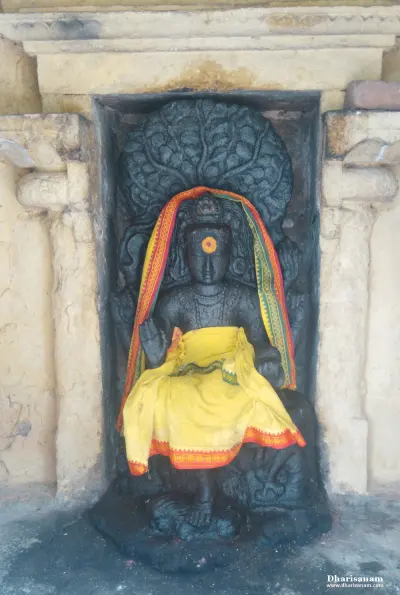
In the “koshtam” (place surrounding the sanctum sanctorum), idols of Narthana Vinayakar, Dakshinamurthy, Lingothbavar, Brahma and Vishnu Durgai can be seen.

In the Navagraham, Lord Suryan is seen along with his two wives.
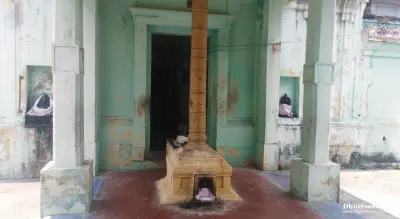
A tall wooden-coloured pillar on a stone base before a dark doorway, with small idols nearby.
A Vinayakar idol and other idols in cloth, with a lingam on a stone base at right.
Four dark idols standing in a row against a wall, wearing white and red-and-gold cloth.
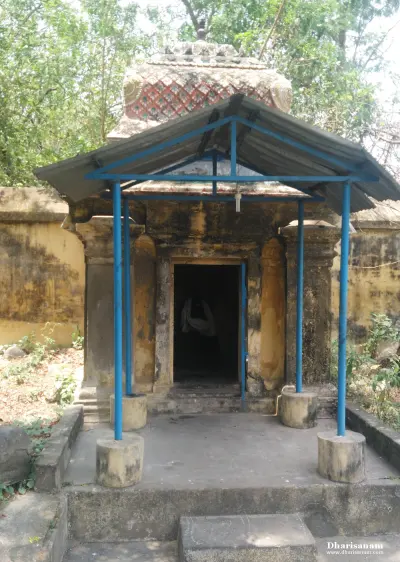
A small stone shrine with a patterned dome, sheltered by a blue-framed tin roof.
A seated dark idol in yellow cloth and a shawl, set in a niche with a tree carved behind.
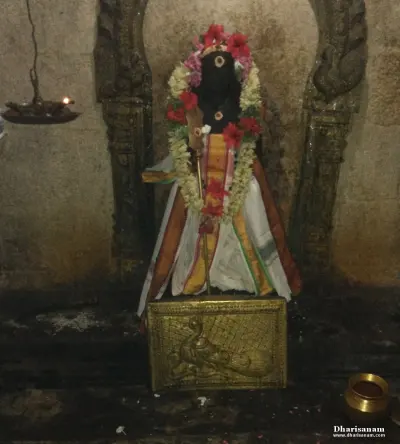
A standing idol with a staff, in garlands and cloth, above a brass plate showing a peacock.
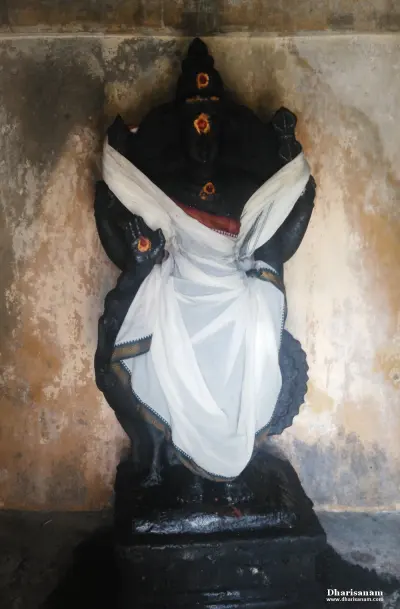
A tall four-armed dark idol draped in white cloth, standing against a wall.

Salient Features

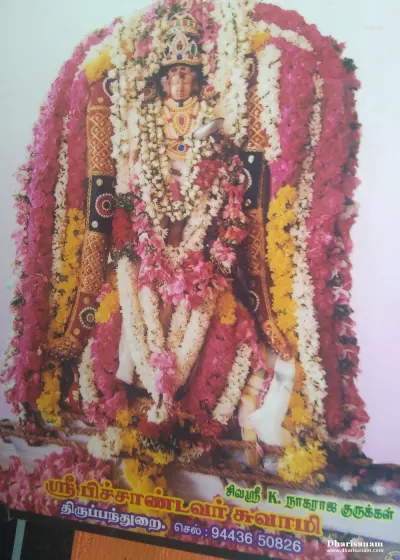
The procession idol of Lord Pitchandavar of this temple is very beautiful. In his hymn, Saint Thirugnanasambanthar sings the praise of this lord.

At the entrance of the sanctum, on either side, idols of Vinayakar and Murugan can be seen.

In this temple, Lord Pitchandavar and Lord Dandapani are famous among the devotees.

The idol of Lord Dhandapani is located in the hall in front of the sanctum. He is seen in a meditative posture with closed eyes, having long ears, showing the “chin mudra” in his hand and having a “sikha” (long hair-kudumi) in his head. This is a very unique depiction.

At the entrance of the temple, there is a separate shrine for twin Vinayakars – Sri Guga Vinayakar and Sri Satchi Vinayakar. It is believed that Lord Vinayaka took a twin form and escorted Lord Murugan when he came here for penance.

A framed photo of an idol covered in pink, white and yellow garlands, with a Tamil name caption.
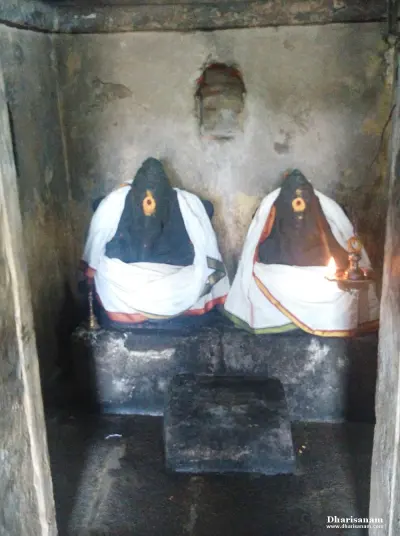
Two Vinayakar idols side by side on a stone platform, wrapped in white cloth, with a lamp.

Greatness of this temple

It is considered auspicious to perform abhishekam to Lord Murugan here using honey.

Devotees who have speech impairment or those who stammer can pray to the lord here to get relief.

Important Festivals

Some of the important festivals celebrated in this temple are –

Vaikasi Visakam in the Tamil month of Vaikasi (May-June),

Vinayakar Chaturthi in the Tamil month of Aavani (Aug-Sept),

Navarathri in the Tamil month of Purattasi (Sept-Oct),

Skanda Shashti and Annabishekam in the Tamil month of Aippasi (Oct–Nov),

Thiru Karthikai in the Tamil month of Karthikai (Nov-Dec),

Makara Sankranthi and Thai Poosam in the Tamil month of Thai (Jan-Feb),

Shivrathri in the Tamil month of Masi (Feb-Mar) and

Panguni Uthiram in the Tamil month of Panguni (Mar-Apr).

“Amuthu Padayal” to Lord Pitchandavar is celebrated in a grand manner in the Tamil month of Chithirai (Apr-May) on the “Barani” star day.

Pradosham is also observed regularly.

Temple Timings

From 08:00 AM to 11:00 AM and from 05:00 PM to 07:00 PM.

Temple Address

Sri Sivanandeswarar Temple,
Thiru Penu Perunthurai (Thiruppanthurai)
Nachiyarkoil Via,
Kumbakonam Taluk,
Tanjore District,
Tamil Nadu – 6120602.

This temple’s priest Sri K.Nagaraja Gurukkal can be contacted at +91 - 94436 50826, 0435 – 2448138.

*
Open the map →
NavigateGet directions in Google Maps
Today8:00 am – 11:00 am, 5:00 pm – 7:00 pm
Phone+91 - 94436 50826, 0435 – 2448138
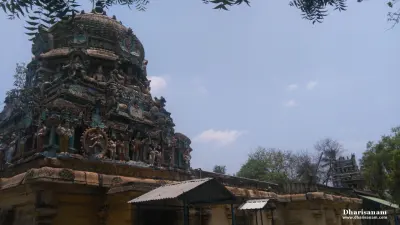
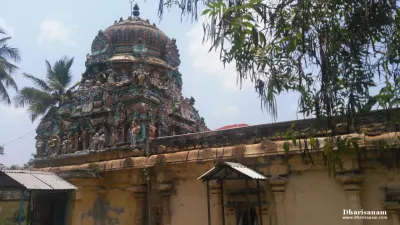
A domed tower with painted sculptures above a yellow wall, with trees around.
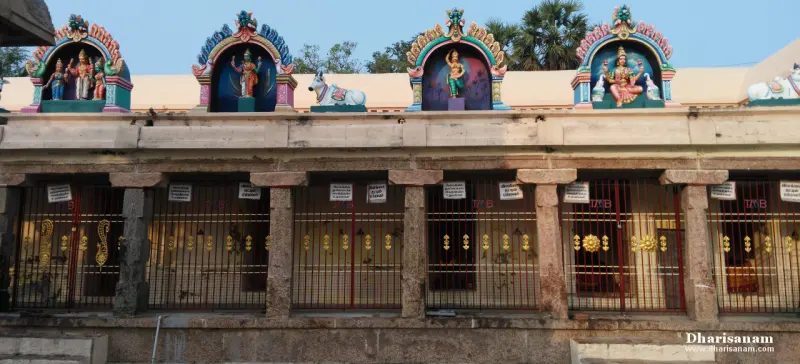
A long pillared stone wall with water tanks, and a sculpted tower in the distance.
A domed tower with sculptures above a plain stone building, seen across an open courtyard.
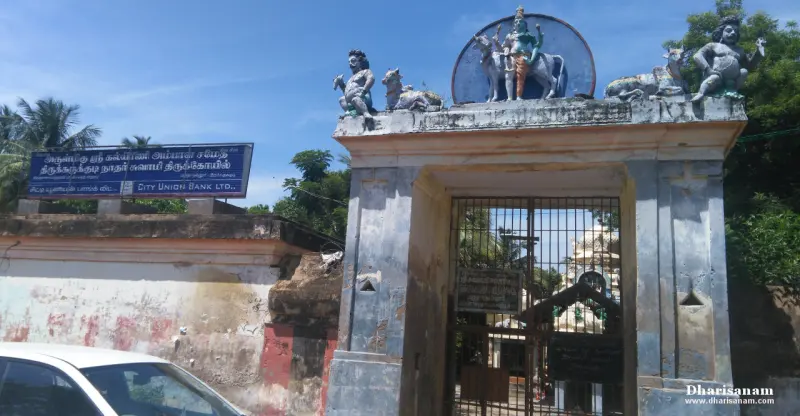
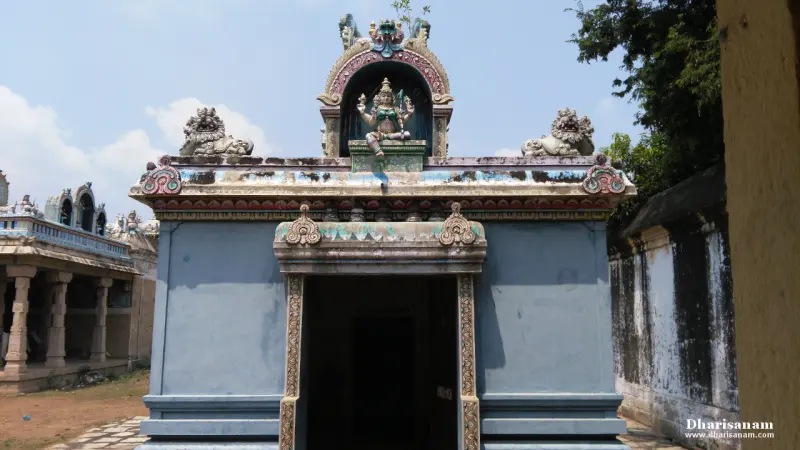
A tower roof with a seated goddess and bull figures, beside a smaller shrine roof.
The yellow gateway and its tower behind a wall, framed by tree branches.
A tiered tower covered in painted figures and a wheel motif, under a blue sky.

Highlights

What makes this temple special

* Cards drawn from the temple write-up and photographs. “Read more” takes you to the full passage.

Greatness

A temple known for Pitchandavar and Dandapani

Lord Pitchandavar and Lord Dandapani are famous among the devotees, and the speech of devotees is believed to be helped here.

  1. The procession idolThe procession idol of Lord Pitchandavar of this temple is very beautiful.
  2. A unique DhandapaniThe idol of Lord Dhandapani, in the hall in front of the sanctum, is seen in a meditative posture with closed eyes. This is a very unique depiction.
  3. Twin VinayakarsAt the entrance of the temple, there is a separate shrine for twin Vinayakars.
  4. Relief for speech impairmentDevotees who have speech impairment or those who stammer can pray to the lord here to get relief.
Significance

A Devara Paadal Petra Shiva Sthalam

Saint Thirugnanasambanthar sang a Pathigam here, and five stone inscriptions record the temple's history.

  1. One of 276 sthalamsOne of the 276 Devara Paadal Petra Shiva Sthalams, and 64th on the southern bank of the Cauveri in Chozha Nadu.
  2. Hymn by ThirugnanasambantharThe Pathigam of this temple was rendered by Saint Thirugnanasambanthar.
  3. Rebuilt in graniteAs per the stone inscriptions, this temple was rebuilt in granite during King Karikal Cholan's period.
  4. The name PranaveswararLord Murugan worshiped here, and Lord Shiva absolved him of his sins and restored his speech. Hence the lord is praised as Sri Pranaveswarar.
Why devotees come

Why devotees come here

Devotees come for relief from speech impairment and to perform abhishekam to Lord Murugan with honey.

  1. For speech: pray to the lordDevotees who have speech impairment or those who stammer can pray to the lord here to get relief.
  2. With honey: abhishekam to MuruganIt is considered auspicious to perform abhishekam to Lord Murugan here using honey.
  3. In Chithirai: Amuthu PadayalAmuthu Padayal to Lord Pitchandavar is celebrated in a grand manner in the Tamil month of Chithirai.
The temple's entrance tower
276Devara Paadal Petra Shiva Sthalams

Devara Paadal Petra Shiva Sthalams

The name Perunthurai

  1. பெரியbig (periya)
  2. துறைriver bank (thurai)

The place gets the name Perunthurai because the temple is on the southern bank of the river Arisilaru.

Penu Perunthurai

    Legends of Thiru Penu Perunthurai

    Lord Murugan imprisoned Lord Brahma over the Pranava Mantra and was cursed to become dumb. He worshiped here, and Lord Shiva restored his speech.

    Goddess Parvathy, Vinayakar, Lord Murugan and Lord Brahma are believed to have worshiped the lord here.

    Lord Vinayaka is believed to have taken a twin form and escorted Lord Murugan when he came here for penance.

    Kings in the inscriptions

    1. Karikal CholanThe temple was rebuilt in granite during King Karikal Cholan's period.
    2. Raja Raja CholanA stone inscription in this temple dates back to the period of Raja Raja Cholan.
    3. King Veera PandiyanA stone inscription in this temple dates back to the period of King Veera Pandiyan.

    Festivals through the year

      Vaikasi Visakam, Vinayakar Chaturthi, Navarathri, Thiru Karthikai, Shivrathri and Panguni Uthiram are celebrated, and Pradosham is observed regularly.

      Deities

      The deities of this temple

      * Drawn from the temple write-up and photographs. Where there is no photograph, the card shows the name.

      From the sanctum to the corridors
      Moolavarபி
      Moolavar

      Sri Pranaveswarar

      Lord Shiva in this temple is a Swayambumurthi (self-manifested). The lord is praised as Sri Pranaveswarar ("lord of Pranava Mantra").

      Ambalம
      Ambal

      Sri Malai Arasi Ammai

      In the stone inscriptions, the goddess's name is referred to as Sri Malai Arasi Ammai.

      A seated dark idol in yellow cloth and a shawl, set in a niche with a tree carved behind.
      Idol in the koshtam

      Dakshinamurthy

      In the koshtam, the place surrounding the sanctum sanctorum, an idol of Dakshinamurthy can be seen.

      A framed photo of an idol covered in pink, white and yellow garlands, with a Tamil name caption.
      Procession idol

      Lord Pitchandavar

      The procession idol of Lord Pitchandavar of this temple is very beautiful. Saint Thirugnanasambanthar sings the praise of this lord in his hymn.

      A standing idol with a staff, in garlands and cloth, above a brass plate showing a peacock.
      Idol in the hall

      Lord Dhandapani

      The idol of Lord Dhandapani is located in the hall in front of the sanctum, in a meditative posture with closed eyes. He is famous among the devotees.

      Two Vinayakar idols side by side on a stone platform, wrapped in white cloth, with a lamp.
      Shrine at the entrance

      Sri Guga Vinayakar

      At the entrance of the temple, there is a separate shrine for twin Vinayakars, Sri Guga Vinayakar and Sri Satchi Vinayakar.

      Navagrahamசூ
      Navagraham

      Suryan

      In the Navagraham, Lord Suryan is seen along with his two wives.

      Visit & map

      Sacred geography
      Thiru Penu Perunthurai Thiru Karukkudi Kalayanallur Thiru Sivapuram Arisir Karai Puthur Kaduvaikarai Puthur Thirunaraiyur Pazhayarai Vadathali Kudanthai Karonam Kudanthai Keezhkkottam Patteecharam Kudanthai Kudamukku Thiru Shakthi Mutham
      You are hereThis temple

      Schematic. Distances as recorded on the visit; directions approximate.

      12a6a12p6p
      Darshan today8:00 am – 11:00 am, 5:00 pm – 7:00 pm
      8:00 – 11:005:00 – 7:00 pm

      Hours as recorded on the visit. Festival days can differ.

      Plan the day around it

      Address and phone

      Sri Sivanandeswarar Temple, Thiru Penu Perunthurai (Thiruppanthurai), Nachiyarkoil Via, Kumbakonam Taluk, Tanjore District, Tamil Nadu – 6120602. This temple’s priest Sri K.Nagaraja Gurukkal can be contacted at +91 - 94436 50826, 0435 – 2448138.
      *

      A day of darshan nearby

      5 more sthalams within reach, nearest first: 6.3 km in straight lines.

      Map of Thiru Penu Perunthurai and the sthalams nearby, in route order: Thiru Karukkudi, Kalayanallur, Thiru Sivapuram, Arisir Karai Puthur, Kaduvaikarai Puthur. Thirunaraiyur · 5 km Pazhayarai Vadathali · 5.1 km Kudanthai Karonam · 5.3 km Kudanthai Keezhkkottam · 5.7 km Patteecharam · 5.9 km Kudanthai Kudamukku · 6 km Thiru Shakthi Mutham · 6.1 km Thiru Penu Perunthurai 1 Thiru Karukkudi 2 Kalayanallur 3 Thiru Sivapuram 4 Arisir Karai Puthur 5 2 km N
      Drawn from coordinates. Straight-line distances; roads are longer. Faint dots are other sthalams within 50 km.

      Temple plan

      Two Vinayakar idols side by side on a stone platform, wrapped in white cloth, with a lamp.
      01

      Twin Vinayakars at the entrance

      At the entrance of the temple, there is a separate shrine for twin Vinayakars.

      1 / 5

      Summary written with AI help from the temple write-up.

      Pathigam

      Saint Thirugnanasambanthar visited this temple and sang this Pathigam.

      Devotees visiting this temple should make it a practice to recite this Pathigam.

      Pathigam No.1.042.

      V. Muthukumaraswamy

      Saint Thirugnanasambandar sang this Pathigam on visiting the temple. Verse 1 of 11.

      Paim'mā nāgam paṉmalar koṉtṟai
      paṉtṟiveṇ kompoṉtṟu pūṇṭu
      sem'mān thaiyam peykeṉtṟu chollich
      cheythozhil pēṇiyōr selvar
      am'mā ṉōkkiya anthaḷir mēṉi
      yarivaiyōr pākam amarntha
      pem'māṉ nalkiya tholpuka zhāḷar
      pēṇu perunthuṟai yārē

      The Lord of Perunthurai wears a serpent, many konrai flowers and a white boar's tusk, and goes about asking for alms. He has a body like a tender sprout and holds the Goddess as part of himself. His ancient fame is cherished at Perunthurai.

      Tap any Tamil word for its meaning

      Verse text and transliteration as given in the write-up. Word meanings and the English meaning are AI-assisted drafts.

      All eleven verses

      1. 01

        பைம்மா நாகம் பன்மலர் கொன்றைபன்றிவெண் கொம்பொன்று பூண்டுசெம்மாந் தையம் பெய்கென்று சொல்லிச்செய்தொழில் பேணியோர் செல்வர்அம்மா னோக்கிய அந்தளிர் மேனியரிவையோர் பாகம் அமர்ந்தபெம்மான் நல்கிய தொல்புக ழாளர்பேணு பெருந்துறை யாரே

        Paim'mā nāgam paṉmalar koṉtṟai / paṉtṟiveṇ kompoṉtṟu pūṇṭu / sem'mān thaiyam peykeṉtṟu chollich / cheythozhil pēṇiyōr selvar / am'mā ṉōkkiya anthaḷir mēṉi / yarivaiyōr pākam amarntha / pem'māṉ nalkiya tholpuka zhāḷar / pēṇu perunthuṟai yārē

        திருப்பேணு பெருந்துறை இறைவர், படம் பொருந்திய பெரிய நாகம், பல மலர்களோடு இணைந்த கொன்றை மலர், வெண்மையான பன்றிக் கொம்பு ஆகியவற்றை அணிந்து செம்மாப்பு உடையவராய்ப் பலர் இல்லங்களுக்கும் சென்று ஐயம் இடுகஎன்று கேட்டு, ஐயம் இட்ட கடமையாளர்களுக்குச் செல்வமாய் இருப்பவர்; அழகிய மான்விழி போன்ற விழிகளையும், தளிர் போன்ற மேனியையும் உடைய உமையம்மையை ஒரு பாகமாகக் கொண்ட தலைவர்; நிலைத்த பழமையான புகழையுடையவர்.

      2. 02

        மூவரு மாகி இருவரு மாகிமுதல் வனுமாய்நின்ற மூர்த்திபாவங்கள் தீர்தர நல்வினை நல்கிப்பல்கணம் நின்று பணியச்சாவம தாகிய மால்வரை கொண்டுதண்மதிள் மூன்றும் எரித்ததேவர்கள் தேவர் எம்பெருமானார்தீதில் பெருந்துறை யாரே

        Mūvaru māki iruvaru māki / muthal vaṉumāyniṉtṟa mūrththi / pāvaṅkaḷ thīrthara nalviṉai nalkip / palkaṇam niṉtṟu paṇiyach / chāvama thākiya mālvarai koṇṭu / thaṇmathiḷ mūṉtṟum eriththa / thēvarkaḷ thēvar emperumāṉār / thīthil perunthuṟai yārē

        குற்றமற்ற பேணு பெருந்துறையில் விளங்கும் எம் பெருமானார், அரி அயன் அரன் ஆகிய முத்தொழில் செய்யும் மூவருமாய், ஒடுங்கிய உலகை மீளத் தோற்றும் சிவன், சக்தி ஆகிய இருவருமாய், அனைவர்க்கும் தலைவருமாய் நின்ற மூர்த்தி ஆவார். நம் பாவங்கள் தீர நல்வினைகளை அளித்துப் பதினெண் கணங்களும் நின்று பணிய மேரு மலையை வில்லாகக் கொண்டு, மும்மதில்களையும் எரித்தழித்த தேவதேவராவார்.

      3. 03

        செய்பூங் கொன்றை கூவிளமாலைசென்னியுட் சேர்புனல் சேர்த்திக்கொய்பூங் கோதை மாதுமை பாகம்கூடியோர் பீடுடை வேடர்கைபோ னான்ற கனிகுலை வாழைகாய்குலை யிற்கமு கீனப்பெய்பூம் பாளை பாய்ந்திழி தேறல்பில்கு பெருந்துறை யாரே

        Seypūṅ koṉtṟai kūviḷamālai / seṉṉiyuṭ sērpuṉal sērththik / koypūṅ kōthai māthumai pākam / kūṭiyōr pīṭuṭai vēṭar / kaipō ṉāṉtṟa kaṉikulai vāzhai / kāykulai yiṟkamu kīṉap / peypūm pāḷai pāynthizhi thēṟal / pilku perunthuṟai yārē

        யானையின் கை போன்ற நீண்ட வாழைக் குலையில் பழுத்த பழங்களிலும், காய்த்த குலைகளிலும், கமுக மரங்களின் பூம்பாளைகளில் ஒழுகும் தேன் பாய்ந்து பெருகும் பெருந்துறை இறைவர், கொன்றைப்பூமாலை, கூவிளமாலை அணிந்த தலையில் கங்கையை ஏற்று, பூமாலை சூடிய உமையைத் தம் உடலின் ஒரு பாகமாகக் கொண்டு அதனால் ஒப்பற்ற அம்மையப்பர் என்ற பெருமையுடைய உருவினராவர்.

      4. 04

        நிலனொடு வானும் நீரொடு தீயும்வாயுவு மாகியோ ரைந்துபுலனொடு வென்று பொய்ம்மைகள் தீர்ந்தபுண்ணியர் வெண்பொடிப் பூசிநலனொடு தீங்குந் தானல தின்றிநன்கெழு சிந்தைய ராகிமலனொடு மாசும் இல்லவர் வாழும்மல்கு பெருந்துறை யாரே

        Nilaṉoṭu vāṉum nīroṭu thīyum / vāyuvu mākiyō rainthu / pulaṉoṭu veṉtṟu poym'maikaḷ thīrntha / puṇṇiyar veṇpoṭip pūsi / nalaṉoṭu thīṅkun thāṉala thiṉtṟi / naṉkezhu chinthaiya rāki / malaṉoṭu māsum illavar vāzhum / malku perunthuṟai yārē

        நிலம், வானம், நீர், தீ, காற்று ஆகிய ஐம்பூதங்களின் வடிவாய், ஐந்து புலங்களை வென்றவராய், பொய்ம்மைகள் இல்லாத புண்ணியராய் வாழும் இறைவர், திருவெண்ணீறு அணிந்து நன்மையும் தின்மையும் சிவனாலன்றி வருவதில்லை என்ற நல்லுள்ளங் கொள்பவராய், மல மாசுக்கள் தீர்ந்தவராய் வாழும் அடியவர்கள் நிறைந்த பேணு பெருந்துறையார் ஆவர்.

      5. 05

        பணிவா யுள்ள நன்கெழு நாவின்பத்தர்கள் பத்திமை செய்யத்துணியார் தங்கள் உள்ளமிலாதசுமடர்கள் சோதிப் பரியார்அணியார்நீல மாகிய கண்டர்அரிசி லுரிஞ்சு கரைமேல்மணிவாய்நீலம் வாய்கமழ் தேறல்மல்கு பெருந்துறை யாரே

        Paṇivā yuḷḷa naṉkezhu nāviṉ / paththarkaḷ paththimai seyyath / thuṇiyār thaṅkaḷ uḷḷamilātha / sumaṭarkaḷ chōthip pariyār / aṇiyārnīla mākiya kaṇṭar / arisi luriñchu karaimēl / maṇivāynīlam vāykamazh thēṟal / malku perunthuṟai yārē

        அரிசிலாற்றின் அலைகள் மோதும் கரையில் அமைந்ததும், நீல மணி போலும் நிறம் அமைந்த குவளை மலர்களின் வாயிலிருந்து வெளிப்படும் தேன் கமழ்ந்து நிறைவதுமாகிய பேணு பெருந்துறை இறைவர். பணிவுடைய துதிப்பாடல்கள் பாடும் நன்மை தழுவிய நாவினையுடைய பக்தர்கள் அன்போடு வழிபட எளியர். துணிவற்றவர்களாய்த் தங்கள் மனம் பொருந்தாத அறியாமை உடையவர்களாய் உள்ளவர்கள் பகுத்தறிவதற்கு அரியவர். அழகிய நீல நிறம் பொருந்திய கண்டத்தை உடையவர்.

      6. 06

        எண்ணார் தங்கள் மும்மதிள் வேவவேவலங் காட்டிய எந்தைவிண்ணோர்சாரத் தன்னருள் செய்தவித்தகர் வேத முதல்வர்பண்ணார் பாடல் ஆடல் அறாதபசுபதி யீசனோர் பாகம்பெண்ணாண் ஆய வார்சடை யண்ணல்பேணு பெருந்துறை யாரே

        Eṇṇār thaṅkaḷ mum'mathiḷ vēvavē / valaṅ kāṭṭiya enthai / viṇṇōrchārath thaṉṉaruḷ seytha / viththakar vētha muthalvar / paṇṇār pāṭal āṭal aṟātha / pasupathi yīsaṉōr pākam / peṇṇāṇ āya vārsaṭai yaṇṇal / pēṇu perunthuṟai yārē

        திருப்பேணுபெருந்துறை இறைவர் தம்மை மதியாதவரான, அசுரர்களின் முப்புரங்கள் எரிந்தழியுமாறு வில் வன்மை காட்டிய எந்தையாராவர். தேவர்கள் வழிபட அவர்கட்கு தமது அருளை நல்கிய வித்தகராவர். வேதங்களின் தலைவராவர். இசை நலம் கெழுமிய பாடல்களோடு, ஆடி மகிழும் பசுபதியாய ஈசனும் ஆவர். ஒரு பாகம் பெண்ணுமாய், ஒரு பாகம் ஆணுமாய் விளங்கும் நீண்ட சடைமுடியுடைய தலைவராவர்.

      7. 07

        விழையா ருள்ளம் நன்கெழு நாவில்வினைகெட வேதமா றங்கம்பிழையா வண்ணம் பண்ணிய வாற்றல்பெரியோ ரேத்தும் பெருமான்தழையார் மாவின் தாழ்கனி யுந்தித்தண்ணரிசில் புடைசூழ்ந்துகுழையார் சோலை மென்னடை யன்னங்கூடு பெருந்துறை யாரே

        Vizhaiyā ruḷḷam naṉkeḻzhu nāvil / viṉaikeṭa vēthamā ṟaṅkam / pizhaiyā vaṇṇam paṇṇiya vātṟal / periyō rēththum perumāṉ / thazhaiyār māviṉ thāzhkaṉi yunthith / thaṇṇarisil puṭaichūzhnthu / kuzhaiyār chōlai meṉṉaṭai yaṉṉaṅ / kūṭu perunthuṟai yārē

        தழைத்த மாமரத்திலிருந்து உதிர்ந்த பழங்களை உருட்டிவரும் தண்ணிய அரிசிலாற்றின் கரையருகே சூழ்ந்து விளங்கும் தளிர்கள் நிறைந்த சோலைகளில் மெல்லிய நடையையுடைய அன்னங்கள்கூடி விளங்கும் திருப்பேணுபெருந்துறை இறைவர், விருப்பம் பொருந்திய உள்ளத்தோடு நன்மை அமைந்த நாவின்கண் தம் வினைகெட, நான்கு வேதங்களையும் ஆறு அங்கங்களையும் பிழையின்றி முன்னோர் ஓதிவரும் முறையில் பெரியோர் ஓதி ஏத்தும் பெருமானார் ஆவர்.

      8. 08

        பொன்னங் கானல் வெண்டிரை சூழ்ந்தபொருகடல் வேலி இலங்கைமன்னன் ஒல்க மால்வரை யூன்றிமாமுரண் ஆகமுந் தோளும்முன்னவை வாட்டிப் பின்னருள் செய்தமூவிலை வேலுடை மூர்த்திஅன்னங் கன்னிப் பேடையொ டாடியணவு பெருந்துறை யாரே

        Poṉṉaṅ kāṉal veṇṭirai chūzhntha / porukaṭal vēli ilaṅkai / maṉṉaṉ olka mālvarai yūṉtṟi / māmuraṇ ākamun thōḷum / muṉṉavai vāṭṭip piṉṉaruḷ seytha / mūvilai vēluṭai mūrththi / aṉṉaṅ kaṉṉip pēṭaiyo ṭāṭi / yaṇavu perunthuṟai yārē

        ஆண் அன்னம் கன்னிமையுடைய பெண் அன்னத்தோடு ஆடியும், கூடியும் மகிழும் பேணு பெருந்துறை இறைவர், அழகிய கடற்கரைச் சோலைகளும், வெண்மையான கடல் அலைகளும் சூழ்ந்துள்ளதும், நாற்புறங்களிலும் கடலையே வேலியாக உடையதுமான இலங்கை மாநகர் மன்னனாகிய இராவணன் தளர்ச்சி அடையுமாறு பெரிய கயிலை மலையைக் கால் விரலால் ஊன்றி, அவனுடைய சிறந்த வலிமையுடைய, மார்பும், தோள்களும் வலிமை குன்றுமாறு செய்து பின் அவனுக்கு அருள்கள் பல செய்த மூவிலை வேலையுடைய மூர்த்தியாவார்.

      9. 09

        புள்வாய் போழ்ந்து மாநிலங்கீண்டபொருகடல் வண்ணனும் பூவின்உள்வாயல்லி மேலுறைவானும்உணர்வரி யான்உமை கேள்வன்முள்வாய்தாளில் தாமரைமொட்டின்முகம்மலரக்கயல் பாயக்கள்வாய்நீலங் கண்மலரேய்க்குங்காமர் பெருந்துறை யாரே

        Puḷvāy pōzhnthu mānilaṅkīṇṭa / porukaṭal vaṇṇaṉum pūviṉ / uḷvāyalli mēluṟaivāṉum / uṇarvari yāṉumai kēḷvaṉ / muḷvāythāḷil thāmaraimoṭṭiṉ / mukam'mala / rakkayal pāyak / kaḷvāynīlaṅ kaṇmalarēykkuṅ / kāmar perunthuṟai yārē

        முட்களையுடைய தண்டின்மேல் தாமரை மொட்டு இனிய முகம்போல் மலர, அதன்கண் கயல்மீன் பாயத் தேனையுடைய நீல மலர் கண்மலரை ஒத்துள்ளதால், இயற்கை, மாதர்களின் மலர்ந்த முகங்களைப் போலத் தோற்றந்தரும் பேணுபெருந்துறையில் உள்ள இறைவர், கொக்கு வடிவங் கொண்ட பகாசுரனின் வாயைப் பிளந்தும், நிலவுலகைத் தோண்டியும் விளங்கும் கடல் வண்ணனாகிய திருமாலும், தாமரை மலரின் அக இதழ்கள் மேல் உறையும் நான் முகனும் உணர்ந்து அறிதற்கரியவர்; உமையம்மையின் கணவர்.

      10. 10

        குண்டுந்தேருங் கூறை களைந்துங்கூப்பிலர் செப்பிலராகிமிண்டும்மிண்டர் மிண்டவைகண்டுமிண்டுசெயாது விரும்பும்தண்டும்பாம்பும் வெண்டலைசூலந்தாங்கிய தேவர்தலைவர்வண்டுந்தேனும் வாழ்பொழிற்சோலைமல்கு பெருந்துறை யாரே

        Kuṇṭunthēruṅ kūṟai kaḷainthuṅ / kūppilar seppilarāki / miṇṭum'miṇṭar miṇṭavaikaṇṭu / miṇṭuseyāthu virumpum / thaṇṭumpāmpum veṇṭalaichūlan / thāṅkiya thēvarthalaivar / vaṇṭunthēṉum vāzhpozhiṟchōlai / malku perunthuṟai yārē

        இறைவரைக் குண்டர்களாகிய சமணர்களும், தேரர்களாகிய புத்தர்களும் தம் ஆடைகளைக் களைந்தும் பல்வகை விரதங்களை மேற்கொண்டும் கைகூப்பி வணங்காதவர்களாய்த் திருப்பெயர்களைக் கூறாதவர்களாய், வம்பு செய்யும் இயல்பினராய் வீண்தவம் புரிகின்றனர். அவர்களின் மாறான செய்கைகளைக் கண்டு அவற்றை மேற்கொள்ளாது சிவநெறியை விரும்புமின். யோக தண்டம், பாம்பு, தலைமாலை, சூலம் ஆகியவற்றை ஏந்திய தேவர் தலைவராகிய நம் இறைவர், வண்டுகளும், தேனும் நிறைந்து வாழும் பொழில்களும், சோலைகளும் நிறைந்த பேணுபெருந்துறையில் உள்ளார்.

      11. 11

        கடையார்மாடம் நன்கெழு வீதிக்கழுமல வூரன் கலந்துநடையார் இன்சொல் ஞானசம் பந்தன்நல்ல பெருந்துறை மேயபடையார் சூலம் வல்லவன்பாதம்பரவிய பத்திவை வல்லார்உடையா ராகி உள்ளமும் ஒன்றிஉலகினில் மன்னுவர் தாமே

        The last verse names Gnanasambandan and says that those who master this Pathigam will be established in the world with minds united.

        Kaṭaiyārmāṭam naṉkezhu vīthik / kazhumala vūraṉ kalanthu / naṭaiyār iṉsol gñāṉasam banthaṉ / nalla perunthuṟai mēya / paṭaiyār chūlam vallavaṉpātham / paraviya paththivai vallār / uṭaiyā rāki uḷḷamum oṉtṟi / ulakiṉil maṉṉuvar thāmē

        வாயில்களையுடைய மாட வீடுகள் நன்கமைந்த வீதிகளையுடைய கழுமலம் என்னும் ஊரில் தோன்றியவனும், அன்பொடு கலந்து இன்சொல் நடையோடு பாடுபவனுமாகிய ஞானசம்பந்தன் நல்ல பேணுபெருந்துறை மேவிய வலிய சூலப்படையுடைய இறைவன் திருவடிகளைப் பரவிப் போற்றிய இப்பதிகப் பாடல்கள் பத்தையும் ஓதுபவர், எல்லா நன்மைகளும் உடையவராய் மனம் ஒன்றி உலகில் நிலையான வாழ்வினைப் பெறுவர்.

      Photos

      Photographs

      18 photographs, in the order they appear in the write-up. Captions are AI-assisted.

      A three-tiered tower of painted sculptures over a yellow gateway, with the compound wall alongside.
      A three-tiered tower of painted sculptures over a yellow gateway, with the compound wall alongside.
      A small shrine roof with a painted arch stands between the trunks of two large trees.
      A tall wooden-coloured pillar on a stone base before a dark doorway, with small idols nearby.
      A Vinayakar idol and other idols in cloth, with a lingam on a stone base at right.
      Four dark idols standing in a row against a wall, wearing white and red-and-gold cloth.
      A small stone shrine with a patterned dome, sheltered by a blue-framed tin roof.
      A seated dark idol in yellow cloth and a shawl, set in a niche with a tree carved behind.
      A standing idol with a staff, in garlands and cloth, above a brass plate showing a peacock.
      A tall four-armed dark idol draped in white cloth, standing against a wall.
      A framed photo of an idol covered in pink, white and yellow garlands, with a Tamil name caption.
      Two Vinayakar idols side by side on a stone platform, wrapped in white cloth, with a lamp.
      A domed tower with painted sculptures above a yellow wall, with trees around.
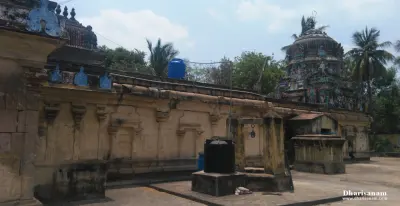
      A long pillared stone wall with water tanks, and a sculpted tower in the distance.
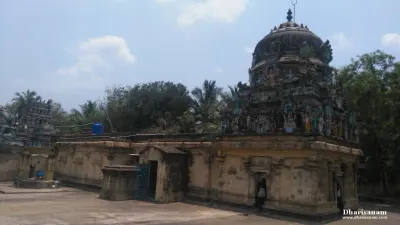
      A domed tower with sculptures above a plain stone building, seen across an open courtyard.
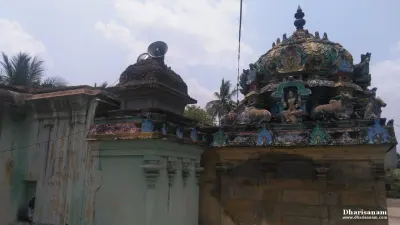
      A tower roof with a seated goddess and bull figures, beside a smaller shrine roof.
      The yellow gateway and its tower behind a wall, framed by tree branches.
      A tiered tower covered in painted figures and a wheel motif, under a blue sky.