Dharisanam ENதமிழ்
Colourful tiered tower with sculptures above a weathered stone wall
Swayambu

Avoor Pasupatheecharam Sri Pasupatheeswarar Temple 21st of 129 on the south bank of the Kaveri · Chola Nadu · Temples near Kumbakonam

Darshan today6:30 am – 11:30 am, 4:00 pm – 8:30 pm
Moolavar
Pasupatheeswarar, Asvaththanathar, Avoor Udaiyar, Pasupathi Nathar
Ambal
Mangalambikai, Pangajavalli
Theertham
Brahma Theertham, Kamadhenu Theertham, Chandra Theertham, Agni Theertham
Sthala vriksham
Arasu (peepal tree)
Pathigam by
Thirugnanasambanthar-1

Temple

Visited on: April 1, 2018

Location

Aavoor is situated at a distance of about 10 kms south-west of Kumbakonam on the Kumbakonam to Mannargudi (Via Valangaiman-Govindakudi) route.

Other Devara Paadal Petra Shiva Sthalam near this place are – Patteeswaram, Thiru Shakthi Mutram, Pazhayaarai, 4 temples in Kumbakonam (Kumbeswarar, Naageswarar, Kasi Viswanathar and Someswarar temples), Thiruvalanchuzhi, Thirukkarugaavoor, Nalloor and Thiruppalaththurai.

General information

Moolavar
Sri Pasupatheeswarar, Sri Asvaththanathar, Sri Avoor Udaiyar, Sri Pasupathi Nathar
Ambal
Sri Mangalambikai, Sri Pangajavalli
Theertham (Holy water)
Brahma Theertham, Kamadhenu Theertham, Chandra Theertham, Agni Theertham
Sthala Vriksham (Sacred Tree)
Arasu (peepal tree)
Pathigam (Hymn) rendered by
Saint Thirugnanasambanthar-1
  • This is one of the 276 Devara Paadal Petra Shiva Sthalams and 21st Shiva Sthalam on the Southern bank of the river Cauveri in Chozha Nadu (Thenkarai).
  • Lord Shiva in this temple is a Swayambumurthi (self-manifested).
  • This temple is called "Then Kayilayam” and it is considered to be as auspicious as Mount Kailash.
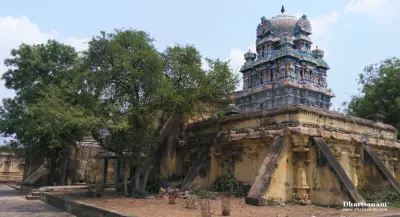
  • This temple is counted as one of the Maadak Koils built by King Kochengat Cholan.
  • This temple is famous for its five Bairavas and is known as "Pancha Bairava Sthalam”.
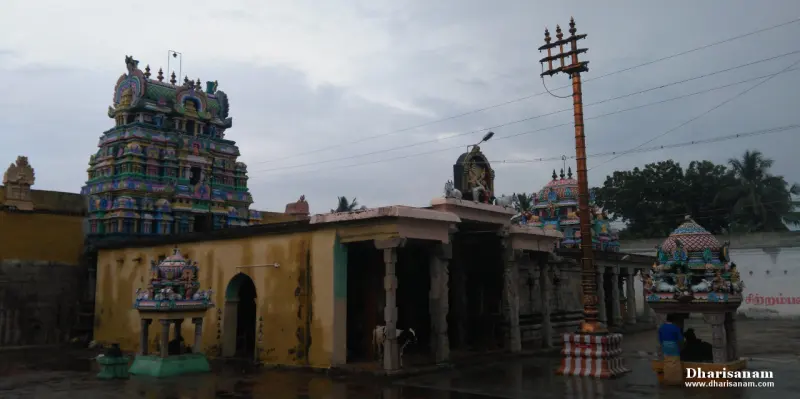
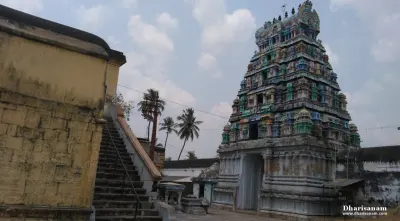
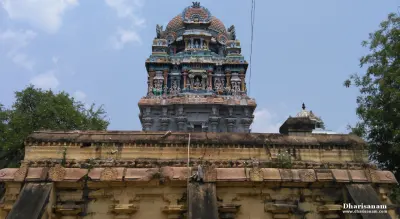
  • This east facing temple has two corridors and its main tower (Rajagopuram) has 5-tiers.

History of the temple

This village is called Aavoor and this temple is called Pasupathecharam.

As per Hindu mythology, Adisheshan (the serpent on whom Sri Mahavishnu rests) and Vayu (lord of the winds) fought among themselves frequently to test their superiority. During one such struggle, because of Vayu’s severe wind, Adhiseshan failed to hold on to the Mount Meru. In this process, two rocks from the mountain were dislocated and fell onto the earth - one at this place (Aavoor) and the other at Nalloor, a nearby village.

It is believed that during the 2nd century, this place was under the rule of Chola kings and this temple was their fort.

The historical names of this place are Manikoodam and Asvatha Vanam.
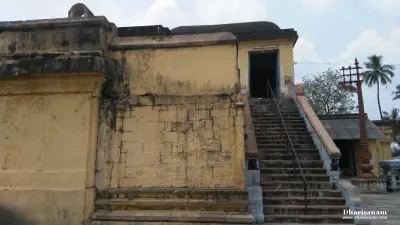
Stone steps climbing beside a wall to a small sculpted gopuram
Long blackened stone relief showing standing figures with lamps below

Legend

According to legend, once, the divine cow Kamadenu was cursed by Sage Vashistar. On the advice of Lord Brahma, she came to this place and worshiped the lord to get rid of the curse. The name “Aavoor” is derived from “Aa” meaning cow and “Oor” meaning village. There is a village nearby called Govindakudi where Kamadenu is believed to have first visited the earth. The name “Govindakudi” is derived from “Go vantha kudi” - “Go” meaning cow, “vantha” meaning came and “kudi” meaning village.

Since the divine cow Kamadenu worshipped Lord Shiva here, this place is called “Pasupatheeswaram” (“Pasu” means cow and “eswaram” refers to Lord Shiva).

It is believed that a king by name of Darmadhwaja visited this place, took a dip in this temple’s holy water (Brahma Theertham) and worshiped the lord. He was then cured of his leprosy.

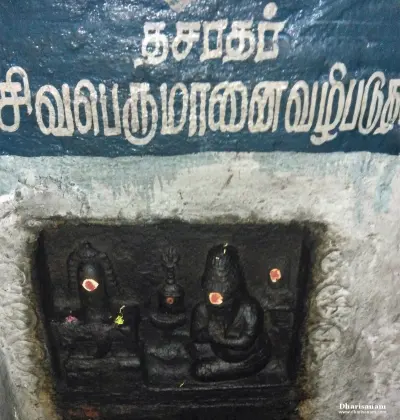
It is believed that Goddess Parvathy, Lord Brahma, Saptharishis (Sages Atri, Bharadwaja, Gautama, Jamadagni, Kashyapa, Vashista and Vishwamitra), Devars, Indra, Suryan, Kamadenu, Patti (daughter of Kamadenu), Navagrahas, King Dasarath and Saint Thirugnanasambanthar have worshiped Lord Shiva here.

Deities in the temple

Other than the shrines of Lord Shiva and Goddess Parvathy, shrines and idols of

Niruthi Vinayakar, Dhanus Subramaniar, Gajalakshmi, few Shivalingams, Somaskandar, Navagraham, Sapthamathas, Sri Mukthikandar, Sri Sastha (2) and Bathrakaali can be seen in the hall and corridors.

In the “koshtam” (place surrounding the sanctum sanctorum), idols of Narthana Vinayakar, Koshta Vinayakar, Dakshinamurthy, Lingothbhavar, Brahma, Vishnu Durgai and Chandikeswarar can be seen.

There is a shrine that houses five idols of Lord Bairavar. These are - Guru Bairavar, Sanda Bairavar, Kaala Bairavar, Unmatha Bairavar and Asithanga Bairavar.
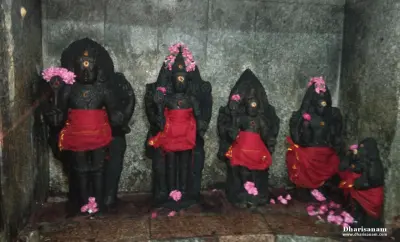
Five black stone idols draped in red cloth with pink flowers
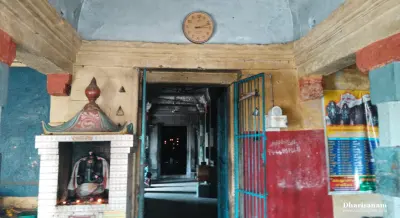
Open blue gate into a corridor, a clock above and a small shrine at left
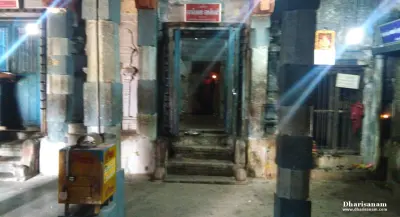
Stone steps rising between pillars to a dark doorway
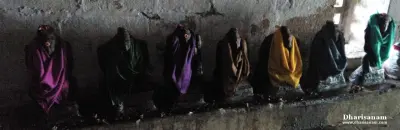
Seven small idols in a row covered with purple, green and yellow cloths
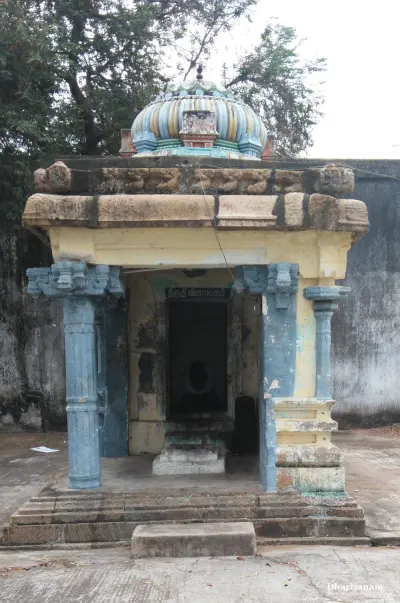
Small shrine with blue pillars and a striped dome, an idol inside
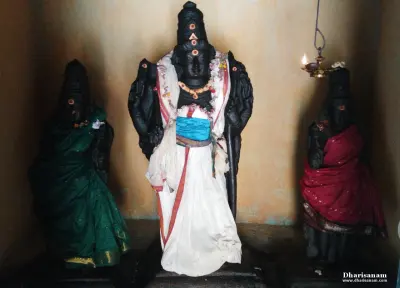
Tall central idol in white cloth flanked by two smaller draped idols
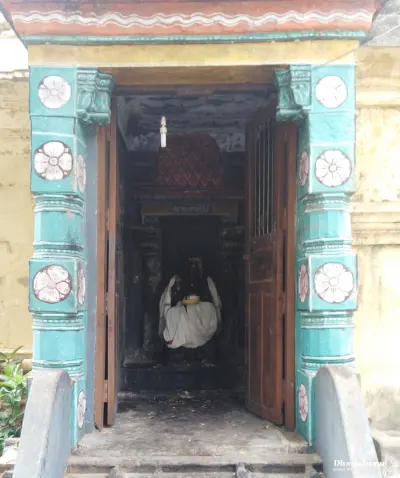
White-draped idol seen through a doorway framed by green floral pillars
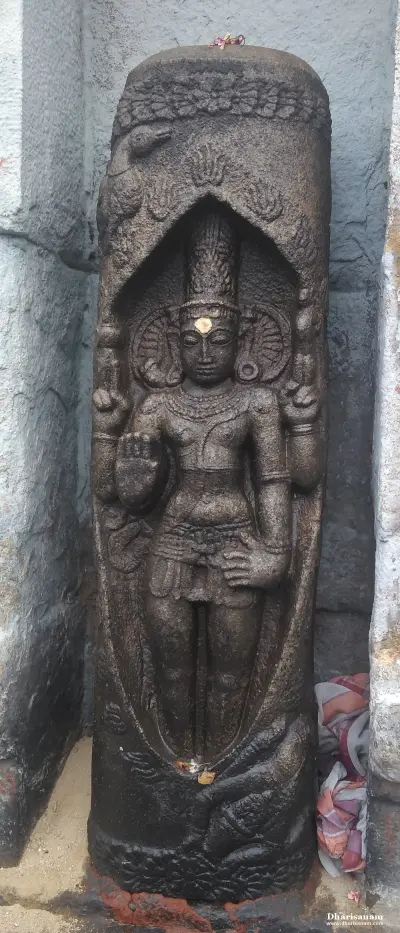
Dark stone carving of a crowned four-armed deity standing in a niche
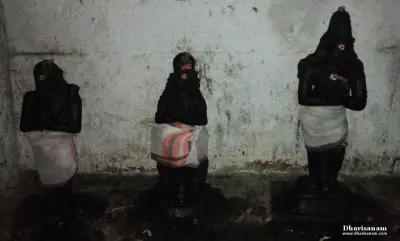
Three black idols draped in white cloths standing in a row

Salient features

There are two goddesses here – Sri Mangalambikai and Sri Pankajavalli. It is believed that the idol of Goddess Mangalambikai was found in this temple’s tank. The idol of Sri Pankajavalli is the older one of the two and is the one who finds a mention in Saint Thirugnanasambanthar’s hymn. However, Sri Mangalambikai is very famous here.

Lord Murugan here is seen holding a bow and an arrow.

Aavoor is famous for the 5 Bhairavars who guard this temple and its devotees. It is the only temple which is known to have 5 Bhairavars. The temple at Thiruvisanallur has 4 Bhairavars (one for each yuga) and the temple at Sirkaazhi has 8 Bhairavars.

This is the birthplace of notable poet-scholars of the Sangam era - Aavoor Kizhaar, Aavoor Moolangizhaar and Perunthalai Sathanar.

There is a beautiful sculpture of Kamadenu on the flag post (Kodimaram). In this sculpture, she can be seen pouring her milk on a Shivalingam.

The idol of Lingothbhavar is very beautiful.

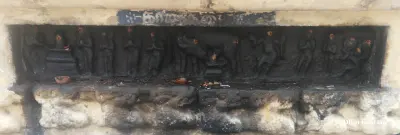
In the main hall, there is a relief that depicts Emperor Dasarath worshiping Lord Shiva.

Small dark relief of a seated figure before a lingam under a Tamil label

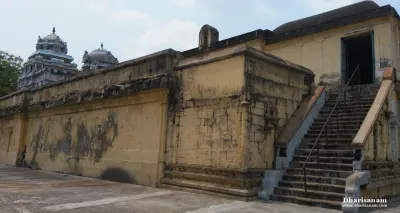
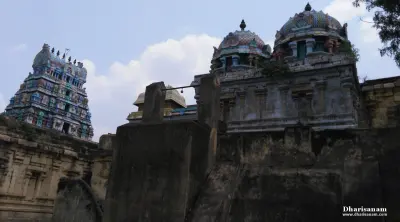
It is believed that King Kochengat Chola built about 70 “Madakkoils”. The distinguishing feature of a Madakkoil is that it is not easily approachable by an elephant. He built these temples at an elevation and there are a few steps that need to be climbed before seeing the lord. Also, the sanctum sanctorum’s (Karpagragam) entrance is narrow such that no elephant can enter it.

Long stone stairway climbing the yellow wall of the elevated shrine

Greatness of this temple

Worshiping the five Bairavars here on Ashtami days is considered to be very auspicious. Devotees can get relief from the fear of death and the fear of tantricism (black magic).

It is also believed that by worshiping the lord here, strained relationships among family members can be mended.

Important festivals

Some of the important festivals celebrated in this temple are –

Vinayakar Chaturthi in the Tamil month of Aavani (Aug-Sept),

Navarathri in the Tamil month of Purattasi (Sept-Oct),

Skanda Shashti and Annabishekam in the Tamil month of Aippasi (Oct–Nov),

Thiru Karthikai in the Tamil month of Karthikai (Nov-Dec),

Thiruvadhirai in the Tamil month of Markazhi (Dec-Jan),

Makara Sankranthi in the Tamil month of Thai (Jan-Feb) and

Shivrathri in the Tamil month of Masi (Feb-Mar).

Pradosham is also observed regularly.

Temple timings

From 06.30 AM to 11.30 AM and from 04.00 PM to 08.30 PM.

Temple address

Sri Pasupatheeswarar Temple,
Aavoor Post
Valangaimaan Taluk,
Tanjure District,
Tamil Nadu - 612 701.
Tele: +91 – 94863 03484.

The temple priest Sri Pichai Gurukkal can be contacted at +91 - 94448 61548.

*
Open the map →
NavigateGet directions in Google Maps
Today6:30 am – 11:30 am, 4:00 pm – 8:30 pm
Phone+91 94863 03484
Colourful tiered tower with sculptures above a weathered stone wall
Yellow elevated temple wall with steps and towers rising behind
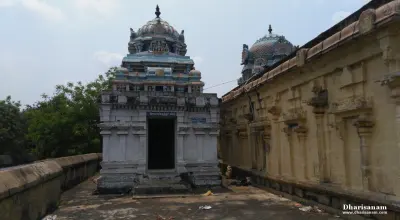
Small white shrine with a sculpted tower on a rooftop corridor
Colourful tiered tower rising behind yellow temple walls and trees
Painted tower and two domes rising above dark stone walls

Highlights

What makes this temple special

* Cards drawn from the temple write-up and photographs. “Read more” takes you to the full passage.

Greatness

The temple of the five Bairavars

Worshiping the five Bairavars here on Ashtami days is considered very auspicious, and the temple is held as auspicious as Mount Kailash.

  1. The only temple with five BhairavarsAavoor is famous for the five Bhairavars who guard the temple and its devotees.
  2. Then KayilayamThe temple is called Then Kayilayam and is considered as auspicious as Mount Kailash.
  3. Two goddessesSri Mangalambikai, whose idol was found in the temple tank, and the older Sri Pankajavalli.
  4. A Madakkoil on high groundOne of the Madakkoils built by King Kochengat Chola, raised on high so no elephant can enter.
Significance

Sung by Thirugnanasambanthar

The 21st Shiva sthalam on the southern bank of the Cauveri in Chozha Nadu, sanctified by a Pathigam and by Kamadenu's worship.

  1. One of 276 Paadal Petra sthalamsOne of the 276 Devara Paadal Petra Shiva Sthalams.
  2. Thirugnanasambanthar's PathigamSaint Thirugnanasambanthar sang one Pathigam on this temple.
  3. Worshiped by KamadenuThe divine cow Kamadenu worshiped Shiva here to be freed of Sage Vashistar's curse.
  4. Worshiped by gods and sagesParvathy, Brahma, the Saptharishis, Devars, Indra, Suryan and others worshiped Shiva here.
Why devotees come

Why devotees come here

Devotees worship the five Bairavars on Ashtami days and seek relief from fear and mended family bonds.

  1. For freedom from fearFor relief from the fear of death and the fear of tantricism.
  2. For family unityFor strained relationships among family members to be mended.
  3. For Ashtami worshipFor worshiping the five Bairavars on Ashtami days, held very auspicious.
  4. For festival worshipFor festivals from Vinayakar Chaturthi in Aavani to Shivrathri in Masi.
The Rajagopuram rising above the temple wall
276Paadal Petra Sthalams

One of 276

Why it is called Pasupatheeswaram

  1. பசுcow
  2. ஈஸ்வரம்Lord Shiva

Kamadenu the cow worshiped Shiva here, giving the place its name.

Older names: Manikoodam and Asvatha Vanam.

    Legends of this temple

    Cursed by Sage Vashistar, Kamadenu worshiped the lord here on Brahma's advice and was freed.

    Aa means cow and Oor means village, for the cow Kamadenu worshiped here.

    King Darmadhwaja bathed in Brahma Theertham, worshiped the lord and was cured of leprosy.

    Two rocks fell from Mount Meru in the fight of Adisheshan and Vayu, one landing at Aavoor.

    From Goddess Parvathy to Saint Thirugnanasambanthar, the celestials worshiped Shiva here.

    What devotees pray for

    • Relief from the fear of deathDevotees worshiping here can get relief from the fear of death.
    • Relief from tantricismDevotees can get relief from the fear of tantricism, or black magic.
    • Mended relationshipsStrained relationships among family members can be mended by worshiping the lord here.

    Kings of this temple

    1. Kochengat CholanBuilt this temple as one of his Maadak Koils.
    2. DarmadhwajaVisited this place, bathed in Brahma Theertham and was cured of leprosy.
    3. DasarathWorshiped Shiva here; a relief in the main hall depicts him.

    Festivals through the year

      Vinayakar Chaturthi, Navarathri, Skanda Shashti, Thiru Karthikai, Thiruvadhirai, Makara Sankranthi, Shivrathri and regular Pradosham.

      Deities

      The deities of this temple

      * Drawn from the temple write-up and photographs. Where there is no photograph, the card shows the name.

      From the sanctum to the corridors
      Moolavarசி
      Moolavar

      Sri Pasupatheeswarar

      Sri Pasupatheeswarar, also called Sri Asvaththanathar, Sri Avoor Udaiyar and Sri Pasupathi Nathar. Lord Shiva in this temple is a Swayambumurthi.

      Ambalஅ
      Ambal

      Sri Mangalambikai

      One of the two goddesses here; her idol was found in the temple tank. The other is the older Sri Pankajavalli, named in the hymn.

      Small shrine with blue pillars and a striped dome, an idol inside
      Shrine in the corridor

      Niruthi Vinayakar

      Seen in the hall and corridors.

      Shrine in the corridorமு
      Shrine in the corridor

      Dhanus Subramaniar

      Seen in the hall and corridors. Lord Murugan here holds a bow and an arrow.

      Shrine in the corridorக
      Shrine in the corridor

      Gajalakshmi

      Seen in the hall and corridors.

      Shrine in the corridorசோ
      Shrine in the corridor

      Somaskandar

      Seen in the hall and corridors.

      Shrine in the corridorந
      Shrine in the corridor

      Navagraham

      Seen in the hall and corridors.

      Seven small idols in a row covered with purple, green and yellow cloths
      Shrine in the corridor

      Sapthamathas

      Seen in the hall and corridors.

      Shrine in the corridorமு
      Shrine in the corridor

      Sri Mukthikandar

      Seen in the hall and corridors.

      Shrine in the corridorசா
      Shrine in the corridor

      Sri Sastha

      Two idols seen in the hall and corridors.

      Shrine in the corridorகா
      Shrine in the corridor

      Bathrakaali

      Seen in the hall and corridors.

      Idol in the koshtamந
      Idol in the koshtam

      Narthana Vinayakar

      Seen in the koshtam around the sanctum.

      Idol in the koshtamத
      Idol in the koshtam

      Dakshinamurthy

      Seen in the koshtam around the sanctum.

      Idol in the koshtamலி
      Idol in the koshtam

      Lingothbhavar

      Seen in the koshtam around the sanctum. The idol is very beautiful.

      Idol in the koshtamச
      Idol in the koshtam

      Chandikeswarar

      Seen in the koshtam around the sanctum.

      Five black stone idols draped in red cloth with pink flowers
      Shrine in the corridor

      Lord Bairavar

      A shrine houses five idols: Guru Bairavar, Sanda Bairavar, Kaala Bairavar, Unmatha Bairavar and Asithanga Bairavar.
      Visit & map

      Sacred geography
      Avoor Pasupatheecharam Thiruppurambayam Thiru Nedungalam Thiruvanaikkaval Thirupachilachiramam Anbil Alanthurai Thirupparaithurai
      You are hereThis temple

      Schematic. Distances as recorded on the visit; directions approximate.

      12a6a12p6p
      Darshan today6:30 am – 11:30 am, 4:00 pm – 8:30 pm
      6:30 – 11:304:00 – 8:30 pm

      Hours as recorded on the visit. Festival days can differ.

      Plan the day around it

      Address and phone

      Sri Pasupatheeswarar Temple, Aavoor Post, Valangaimaan Taluk, Tanjure District, Tamil Nadu - 612 701. The temple priest Sri Pichai Gurukkal can be contacted at +91 - 94448 61548.
      +91 94863 03484

      *

      A day of darshan nearby

      One more sthalam within reach, 0 km away in a straight line.

      Map of Avoor Pasupatheecharam and the sthalams nearby, in route order: Thiruppurambayam. Avoor Pasupatheecharam 1 Thiruppurambayam 2 km N
      Drawn from coordinates. Straight-line distances; roads are longer. Faint dots are other sthalams within 50 km.

      Temple plan

      Long stone stairway climbing the yellow wall of the elevated shrine
      01

      Kodimaram (flag post)

      There is a beautiful sculpture of Kamadenu on the flag post. She pours her milk on a Shivalingam.

      1 / 7

      Summary written with AI help from the temple write-up.

      Pathigam

      Saint Thirugnanasambanthar visited this temple and sang this Pathigam.

      Devotees visiting this temple should make it a practice to recite this Pathigam.

      V. Muthukumaraswamy

      Thirugnanasambandar sang this Pathigam on his visit to this temple. Verse 1 of 11.

      Puṇṇiyar pūthiyar pūthanāthar
      puṭaipaṭu vārtham maṉaththārthiṅkaṭ
      kaṇṇiya reṉtṟeṉṟu kāthalāḷar
      kaithozhu thēththa irunthavūrām
      viṇṇuyar māḷikai māṭavīthi
      viraikamazh chōlai sulāviyeṅkum
      paṇṇiyal pāṭa laṟātha'āvūrp
      pasupathi yīchcharam pāṭunāvē

      Loving devotees fold their hands and praise Shiva as the meritorious one, the wealthy one and the lord of the bhoota hosts, who dwells in their hearts wearing the crescent moon. His town has sky-high mansions, fragrant groves and songs that never cease. The saint calls on his tongue to sing of Pasupathi Eechcharam at Aavoor.

      Tap any Tamil word for its meaning

      Verse text and transliteration as given in the write-up. Word meanings and the English meaning are AI-assisted drafts.

      All eleven verses

      1. 01

        புண்ணியர் பூதியர் பூதநாதர்புடைபடு வார்தம் மனத்தார்திங்கட்கண்ணிய ரென்றென்று காதலாளர்கைதொழு தேத்த இருந்தவூராம்விண்ணுயர் மாளிகை மாடவீதிவிரைகமழ் சோலை சுலாவியெங்கும்பண்ணியல் பாட லறாதஆவூர்ப்பசுபதி யீச்சரம் பாடுநாவே

        Puṇṇiyar pūthiyar pūthanāthar / puṭaipaṭu vārtham maṉaththārthiṅkaṭ / kaṇṇiya reṉtṟeṉṟu kāthalāḷar / kaithozhu thēththa irunthavūrām / viṇṇuyar māḷikai māṭavīthi / viraikamazh chōlai sulāviyeṅkum / paṇṇiyal pāṭa laṟātha'āvūrp / pasupathi yīchcharam pāṭunāvē

        அன்புடை அடியவர் புண்ணியம் திரண்டனைய வடிவினர் எனவும், நிறைந்த செல்வம் உடையவர் எனவும், பூதகணங்களின் தலைவர் எனவும், அருகில் வந்து பரவுவாரின் மனத்தார் எனவும், பிறைமதிக் கண்ணியர் எனவும் கைதொழுது போற்றச் சிவபிரான் எழுந்தருளிய ஊர் ஆகிய வானளாவ உயர்ந்த மாட மாளிகைகளோடு கூடியதும், மணம் கமழும் சோலைகளால் சூழப்பெற்றதும், எங்கும் பண்ணியலோடு கூடிய பாடல்கள் இடைவிடாது கேட்கப்படுவதும் ஆகிய ஆவூர்ப்பசுபதியீச்சரத்தை, நாவே தொழுது பாடுவாயாக.

      2. 02

        முத்தியர் மூப்பில ராப்பினுள்ளார்முக்கணர் தக்கன்றன் வேள்விசாடும்அத்திய ரென்றென் றடியரேத்தும்ஐயன் அணங்கொ டிருந்தவூராம்தொத்திய லும்பொழில் மாடுவண்டுதுதைந்தெங்குந் தூமதுப் பாயக்கோயிற்பத்திமைப் பாடல றாதஆவூர்ப்பசுபதி யீச்சரம் பாடுநாவே

        Muththiyar mūppila rāppiṉuḷḷār / mukkaṇar thakkaṉtṟaṉ vēḷvisāṭum / aththiya reṉtṟeṉ tṟaṭiyarēththum / aiyaṉ aṇaṅko ṭirunthavūrām / thoththiya lumpozhil māṭuvaṇṭu / thuthaintheṅkun thūmathup pāyakkōyiṟ / paththimaip pāṭala ṟātha'āvūrp / pasupathi yīchcharam pāṭunāvē

        அடியவர்கள், முத்திச் செல்வத்தை உடையவர் என்றும், மூப்புஇலர் என்றும், மாட்டுத் தறியில் விளங்குபவர் என்றும், முக்கண்ணர் என்றும், தம்மை இகழ்ந்து செய்த தக்கனின் வேள்வியை அழித்தவர் என்றும், போற்றித் துதிக்கும் தலைவராகிய சிவபிரான் உமையம்மையாரோடு எழுந்தருளிய ஊராகிய பொழில்களில் கொத்தாக மலர்ந்த பூக்களில் வண்டுகள் தோய்தலால் எங்கும் தூயதேன்துளிகள் பாய்வதும், கோயிலில் பத்தி பூண்ட அடியவர் பாடும் பாடல் இடைவிடாது கேட்பதுமாகிய ஆவூர்ப்பசுபதியீச்சரத்தை நாவே அதனைத் தொழுது பாடுவாயாக.

      3. 03

        பொங்கி வரும்புனல் சென்னிவைத்தார்போம்வழி வந்திழி வேற்றமானார்இங்குயர் ஞானத்தர் வானோரேத்தும்இறையவ ரென்றுமி ருந்தவூராம்தெங்குயர் சோலைசே ராலைசாலிதிளைக்கும் விளைவயல் சேரும்பொய்கைப்பங்கய மங்கை விரும்பும்ஆவூர்ப்பசுபதி யீச்சரம் பாடுநாவே

        Poṅki varumpuṉal seṉṉivaiththār / pōmvazhi vanthizhi vētṟamāṉār / iṅkuyar gñāṉaththar vāṉōrēththum / iṟaiyava reṉtṟumi runthavūrām / theṅkuyar chōlaisē rālaisāli / thiḷaikkum viḷaivayal sērumpoykaip / paṅkaya maṅkai virumpumāvūrp / pasupathi yīchcharam pāṭunāvē

        அடியவர்கள், முத்திச் செல்வத்தை உடையவர் என்றும், மூப்புஇலர் என்றும், மாட்டுத் தறியில் விளங்குபவர் என்றும், முக்கண்ணர் என்றும், தம்மை இகழ்ந்து செய்த தக்கனின் வேள்வியை அழித்தவர் என்றும், போற்றித் துதிக்கும் தலைவராகிய சிவபிரான் உமையம்மையாரோடு எழுந்தருளிய ஊராகிய பொழில்களில் கொத்தாக மலர்ந்த பூக்களில் வண்டுகள் தோய்தலால் எங்கும் தூயதேன்துளிகள் பாய்வதும், கோயிலில் பத்தி பூண்ட அடியவர் பாடும் பாடல் இடைவிடாது கேட்பதுமாகிய ஆவூர்ப்பசுபதியீச்சரத்தை நாவே அதனைத் தொழுது பாடுவாயாக.

      4. 04

        தேவியோர் கூறின ரேறதேறுஞ்செலவினர் நல்குர வென்னைநீக்கும்ஆவிய ரந்தண ரல்லல்தீர்க்கும்அப்பனா ரங்கே அமர்ந்தவூராம்பூவிய லும்பொழில் வாசம்வீசப்புரிகுழ லார்சுவ டொற்றிமுற்றப்பாவியல் பாடல றாதஆவூர்ப்பசுபதி யீச்சரம் பாடுநாவே

        Thēviyōr kūṟiṉa rēṟathēṟuñ / selaviṉar nalkura veṉṉainīkkum / āviya ranthaṇa rallalthīrkkum / appaṉā raṅkē amarnthavūrām / pūviya lumpozhil vāsamvīsap / purikuzha lārsuva ṭotṟimutṟap / pāviyal pāṭala ṟātha'āvūrp / pasupathi yīchcharam pāṭunāvē

        உமாதேவியை ஒரு பாதியாக உடையவர், இடபவாகனத்தில் ஏறி வருபவர். வறுமை புகுதாது என்னைக் காப்பவர். எனக்கு உயிர் போன்றவர். கருணையர், என்துயர் போக்குதலால் எனக்குத் தந்தையாக விளங்குபவர். அவர் எழுந்தருளிய ஊர், பூக்கள் நிறைந்த பொழில்களின் வாசனை வீசுவதும் சுருண்ட கூந்தலை உடைய மகளிர் காலாலே தாளமிட்டு ஆடித் தேர்ந்த இசையோடு பாடும் பாடல்கள் இடைவிடாது கேட்கப்படுவதுமான ஆவூர்ப்பசுபதி யீச்சரத்தை நாவே அதனைப் பாடுவாயாக.

      5. 05

        இந்தணை யுஞ்சடை யார்விடையார்இப்பிறப் பென்னை யறுக்கவல்லார்வந்தணைந் தின்னிசை பாடுவார்பால்மன்னினர் மன்னி யிருந்தவூராம்கொந்தணை யுங்குழ லார்விழவிற்கூட்ட மிடையிடை சேரும்வீதிப்பந்தணை யும்விர லார்தம்ஆவூர்ப்பசுபதி யீச்சரம் பாடுநாவே

        Inthaṇai yuñchaṭai yārviṭaiyār / ippiṟap peṉṉai yaṟukkavallār / vanthaṇain thiṉṉisai pāṭuvārpāl / maṉṉiṉar maṉṉi yirunthavūrām / konthaṇai yuṅkuzha lārvizhaviṟ / kūṭṭa miṭaiyiṭai sērumvīthip / panthaṇai yumvira lārthamāvūrp / pasupathi yīchcharam pāṭunāvē

        திங்கள் தங்கும் சடையினரும், விடையை ஊர்தியாக உடையவரும், என்னைப் பற்றிய இப்பிறவியின் வினையை நீக்கி முத்தியளிக்க வல்லவரும், தம்மை வந்தடைந்து இன்னிசையால் பாடி வழிபடுவாரிடம் மன்னியிருப்பவரும் ஆகிய சிவபிரான், நிலைபெற்று விளங்கும் ஊர், பூங்கொத்தணிந்த கூந்தலை உடைய மங்கல மகளிர் வாழ்வதும், திருவிழாக்களில் மக்கள் கூட்டம் இடையிடையே சேரும் அகன்ற வீதிகளை உடையதும், பந்தாடும் கைவிரல்களினராகிய இளம்பெண்கள் நிறைந்ததுமாகிய ஆவூர்ப்பசுபதியீச்சரத்தை நாவே அதனைப் பாடுவாயாக.

      6. 06

        குற்ற மறுத்தார் குணத்தினுள்ளார்கும்பிடு வார்தமக் கன்புசெய்வார்ஒற்றை விடையினர் நெற்றிக்கண்ணார்உறைபதி யாகுஞ் செறிகொள்மாடம்சுற்றிய வாசலின் மாதர்விழாச்சொற்கவி பாடநி தானம்நல்கப்பற்றிய கையினர் வாழும்ஆவூர்ப்பசுபதி யீச்சரம் பாடுநாவே

        Kutṟa maṟuththār kuṇaththiṉuḷḷār / kumpiṭu vārthamak kaṉpuseyvār / otṟai viṭaiyiṉar netṟikkaṇṇār / uṟaipathi yākuñ cheṟikoḷmāṭam / sutṟiya vāsaliṉ mātharvizhāch / choṟkavi pāṭani thāṉamnalkap / patṟiya kaiyiṉar vāzhumāvūrp / pasupathi yīchcharam pāṭunāvē

        அடியவர் செய்யும் குற்றங்களை நீக்கியவரும், நற்குணங்களை உடையோரிடம் வாழ்பவரும், தம்மைக் கும்பிடுவார்க்கு அன்பு செய்பவரும், ஓர் எருதைத் தமக்கு ஊர்தியாகக் கொண்டவரும், பிறர்க்கில்லாத நெற்றிக் கண்ணை உடையவரும் ஆகிய சிவபிரான் உறையும் பதி, செறிந்த மாட வீடுகளைச் சார்ந்துள்ள வாசலில் விழாக் காலங்களில் பெண்கள் புகழ்ந்து கவி பாடக் கேட்டு அவ்வீடுகளில் வாழும் செல்வர்கள் பொற்காசுகள் வழங்க, அதனைப் பற்றிய கையினராய் மகளிர் மகிழ்ந்துறையும் ஆவூர்ப்பசுபதியீச்சரமாகும். நாவே அதனைத் தொழுது பாடுக.

      7. 07

        நீறுடை யார்நெடு மால்வணங்கும்நிமிர்சடை யார்நினை வார்தமுள்ளம்கூறுடை யாருடை கோவணத்தார்குவலய மேத்தஇ ருந்தவூராம்தாறுடை வாழையிற் கூழைமந்திதகுகனி யுண்டுமிண் டிட்டினத்தைப்பாறிடப் பாய்ந்து பயிலும்ஆவூர்ப்பசுபதி யீச்சரம் பாடுநாவே

        Nīṟuṭai yārneṭu mālvaṇaṅkum / nimirsaṭai yārniṉai vārthamuḷḷam / kūṟuṭai yāruṭai kōvaṇaththār / kuvalaya mēththa'i runthavūrām / thāṟuṭai vāzhaiyiṟ kūzhaimanthi / thakukaṉi yuṇṭumiṇ ṭiṭṭiṉaththaip / pāṟiṭap pāynthu payilumāvūrp / pasupathi yīchcharam pāṭunāvē

        திருவெண்ணீற்றை அணிந்தவரும், திருமாலால் வணங்கப் பெறுபவரும், நிமிர்த்துக் கட்டிய சடைமுடியுடையவரும், தம்மை நினைவார் உள்ளத்தில் குடி கொண்டிருப்பவரும், கோவண ஆடை தரித்தவரும் ஆகிய சிவபிரான், மண்ணுலக மக்கள் தம்மைப் புகழ்ந்து போற்ற எழுந்தருளிய ஊர், குள்ளமான மந்தி பழுத்துள்ள வாழைத் தாற்றில் உண்ணத் தகுதியான பழங்களை வயிறார உண்டு, எஞ்சியுள்ள பழங்களை உண்ணவரும் குரங்குகளை அஞ்சுமாறு பாய்ந்து விரட்டும் தோட்டங்களை உடைய ஆவூர்ப் பசுபதியீச்சரமாகும். நாவே அதனைப் பாடுவாயாக.

      8. 08

        வெண்டலை மாலை விரவிப்பூண்டமெய்யுடை யார்விறல் ஆரரக்கன்வண்டமர் பூமுடி செற்றுகந்தமைந்த ரிடம்வள மோங்கியெங்குங்கண்டவர் சிந்தைக் கருத்தின்மிக்கார்கதியரு ளென்றுகை யாரக்கூப்பிப்பண்டலர் கொண்டு பயிலும்ஆவூர்ப்பசுபதி யீச்சரம் பாடுநாவே

        Veṇṭalai mālai viravippūṇṭa / meyyuṭai yārviṟal ārarakkaṉ / vaṇṭamar pūmuṭi setṟukantha / maintha riṭamvaḷa mōṅkiyeṅkuṅ / kaṇṭavar chinthaik karuththiṉmikkār / kathiyaru ḷeṉtṟukai yārakkūppip / paṇṭalar koṇṭu payilumāvūrp / pasupathi yīchcharam pāṭunāvē

        வெண்மையான தலைகளை மாலையாகக் கோத்துப் பிற மாலைகளுடன் அணிந்துள்ள திருமேனியை உடையவரும், வண்டுகள் மொய்க்கும் மலர்களைச் சூடிய வலிய இராவணனின் முடியை நெரித்து மகிழ்ந்த வலியரும் ஆகிய சிவபெருமான் எழுந்தருளியுள்ள இடம், எங்கும் வளம் ஓங்கியதும், தரிசித்தவர்கள் சித்தத்தால் உயர்ந்தவர்களாய்த் தமக்குக் கதியருள் என்று கைகளைக் கூப்பிப் பழமைதொட்டுச் சிவபெருமானுக்கு உரியனவாகிய மலர்களைச் சாத்தி வழிபடும் இயல்பினதும் ஆகிய ஆவூர்ப்பசுபதியீச்சரமாகும். நாவே அதனைப் பாடுவாயாக.

      9. 09

        மாலும் அயனும் வணங்கிநேடமற்றவ ருக்கெரி யாகிநீண்டசீலம் அறிவரி தாகிநின்றசெம்மையி னாரவர் சேருமூராம்கோல விழாவி னரங்கதேறிக்கொடியிடை மாதர்கள் மைந்தரோடும்பாலென வேமொழிந் தேத்தும்ஆவூர்ப்பசுபதி யீச்சரம் பாடுநாவே

        Mālum ayaṉum vaṇaṅkinēṭa / matṟava rukkeri yākinīṇṭa / sīlam aṟivari thākiniṉtṟa / sem'maiyi ṉāravar sērumūrām / kōla vizhāvi ṉaraṅkathēṟik / koṭiyiṭai mātharkaḷ maintharōṭum / pāleṉa vēmozhin thēththumāvūrp / pasupathi yīchcharam pāṭunāvē

        திருமாலும் பிரமனும் வணங்கித் தேட, அவர்கட்குச் சோதிப் பிழம்பாய்நீண்டு தோன்றிய, அறிதற்கு அரியராய் விளங்கும் செம்மையராகிய சிவபிரான் எழுந்தருளிய ஊர், அழகிய விழாக் காலங்களில் கொடியிடைப் பெண்கள் அரங்கின்கண் ஏறி ஆடவர்களோடு கூடிப் பால்போன்று இனிக்கும் மொழிகளால் இறைவனை ஏத்தும் ஆவூர்ப் பசுபதியீச்சரமாகும். நாவே அதனைப் பாடுவாயாக.

      10. 10

        பின்னிய தாழ்சடை யார்பிதற்றும்பேதைய ராஞ்சமண் சாக்கியர்கள்தன்னிய லும்முரை கொள்ளகில்லாச்சைவ ரிடந்தள வேறுசோலைத்துன்னிய மாதரும் மைந்தர் தாமுஞ்சுனையிடை மூழ்கித் தொடர்ந்தசிந்தைப்பன்னிய பாடல் பயிலும்ஆவூர்ப்பசுபதி யீச்சரம் பாடுநாவே

        Piṉṉiya thāzhsaṭai yārpithatṟum / pēthaiya rāñchamaṇ sākkiyarkaḷ / thaṉṉiya lum'murai koḷḷakillāch / saiva riṭanthaḷa vēṟuchōlaith / thuṉṉiya mātharum mainthar thāmuñ / chuṉaiyiṭai mūzhkith thoṭarnthachinthaip / paṉṉiya pāṭal payilumāvūrp / pacsupathi yīchcharam pāṭunāvē

        பின்னித் தொங்கவிடப்பட்ட சடையை உடையவராய், அறிவின்மையோடு சமணர்கள் சாக்கியர்கள் ஆகியோர் தங்களைப் பற்றியும் தாங்கள் சார்ந்த மதங்களின் சிறப்புக்களைப் பற்றியும் கூற, அவற்றை ஏலாதவராய் விளங்கும் சைவன் விரும்பி உறையும் இடம், முல்லைக் கொடி படர்ந்த சோலைகளில் மாதரும் மைந்தரும் நெருங்கிச் சுனையில் மூழ்கிச் சிவபிரானை மனம் ஒன்றிப்பாடும் ஆவூர்ப் பசுபதியீச்சரமாகும். நாவே அதனைப் பாடுவாயாக.

      11. 11

        எண்டிசை யாரும்வ ணங்கியேத்தும்எம்பெரு மானை யெழில்கொளாவூர்ப்பண்டுரி யார்சிலர் தொண்டர்போற்றும்பசுபதி யீச்சரத் தாதிதன்மேல்கண்டல்கண் மிண்டிய கானற்காழிக்கவுணியன் ஞானசம் பந்தன்சொன்னகொண்டினி தாவிசை பாடியாடிக்கூடு மவர்உடை யார்கள்வானே

        The last verse names Gnanasambandan of Kazhi as the singer and says those who sing and dance to these songs will gain heaven.

        Eṇṭisai yārumva ṇaṅkiyēththum / emperu māṉai yezhilkoḷāvūrp / paṇṭuri yārsilar thoṇṭarpōtṟum / pasupathi yīchcharath thāthithaṉmēl / kaṇṭalkaṇ miṇṭiya kāṉaṟkāzhik / kavuṇiyaṉ gñāṉasam banthaṉsoṉṉa / koṇṭiṉi thāvisai pāṭiyāṭik / kūṭu mavar'uṭai yārkaḷvāṉē

        எட்டுத் திசையில் உள்ளவர்களும் வணங்கிப் போற்றும் எம் தலைவரும், அழகிய ஆவூரில் பழ அடியார்களால்போற்றப் பெறுபவரும் ஆகிய பசுபதியீச்சரத்து இறைவர்மேல் தாழை மரங்கள் நிறைந்த கடற்கரைச் சோலைகளால் சூழப்பட்ட சீகாழிப் பதியில் கவுணியர் குடியில் தோன்றிய ஞானசம்பந்தன் பாடிய பாடல்களை இசையோடு பாடி ஆடி வணங்குபவர்கள், வானகத்தைத் தமது உடைமையாகப் பெறுவர்.

      Photos

      Photographs

      19 photographs, in the order they appear in the write-up. Captions are AI-assisted.

      Colourful tiered tower with sculptures above a weathered stone wall
      Stone steps climbing beside a wall to a small sculpted gopuram
      Long blackened stone relief showing standing figures with lamps below
      Five black stone idols draped in red cloth with pink flowers
      Open blue gate into a corridor, a clock above and a small shrine at left
      Stone steps rising between pillars to a dark doorway
      Seven small idols in a row covered with purple, green and yellow cloths
      Small shrine with blue pillars and a striped dome, an idol inside
      Tall central idol in white cloth flanked by two smaller draped idols
      White-draped idol seen through a doorway framed by green floral pillars
      Dark stone carving of a crowned four-armed deity standing in a niche
      Three black idols draped in white cloths standing in a row
      Small dark relief of a seated figure before a lingam under a Tamil label
      Long stone stairway climbing the yellow wall of the elevated shrine
      Colourful tiered tower with sculptures above a weathered stone wall
      Yellow elevated temple wall with steps and towers rising behind
      Small white shrine with a sculpted tower on a rooftop corridor
      Colourful tiered tower rising behind yellow temple walls and trees
      Painted tower and two domes rising above dark stone walls